


Micromixing and microreaction is a new technology developed based on advances in microstructured device fabrication. Although miniaturization has made great advances in chemistry in the field of sensor technology (lab-on-a-chip), its advantages in synthetic chemistry have received little attention for a long time. Initially, microreactor technology was used for the modeling and development of procedural processes, but with the commercial availability of microreactors, the applications of microreactors changed. So far, microreactor technology has been successfully used in production facilities, but its potential is also being recognized in classical research areas: the number of publications using microreactors to increase the selectivity and efficiency of synthesis is constantly increasing.
The reaction is in principle carried out continuously in a micromixer. In this process, starting reagents are introduced into channels in micromixers with structural dimensions between 100 nm and 1 mm (microchannels). Therefore, micromixer technology offers many advantages:
● The reaction volume within the mixer is very small (usually mL), so micromixers offer inherent safety compared to traditional reaction flasks: only a small amount of the reaction mixture escapes in a small part of the mixer.
● Compared to conventional reaction flasks, the surface-to-volume ratio is significantly increased, which greatly enhances heat transfer. High reaction heat can be dissipated rapidly, allowing for better control over strongly exothermic reactions. Consequently, undesirable side reactions that might otherwise occur at higher temperatures can be more effectively suppressed. Conversely, fast rapid heating rates can be achieved, which can be leveraged to accelerate reactions.
● Due to the small dimensions of the microchannels, diffusion paths and timescales are very short. This leads to faster mixing, which can be further enhanced through the use of specialized mixing structures.
● The reaction volume within the mixer is very small (usually mL), so micromixers offer inherent safety compared to traditional reaction flasks: only a small amount of the reaction mixture escapes in a small part of the mixer.
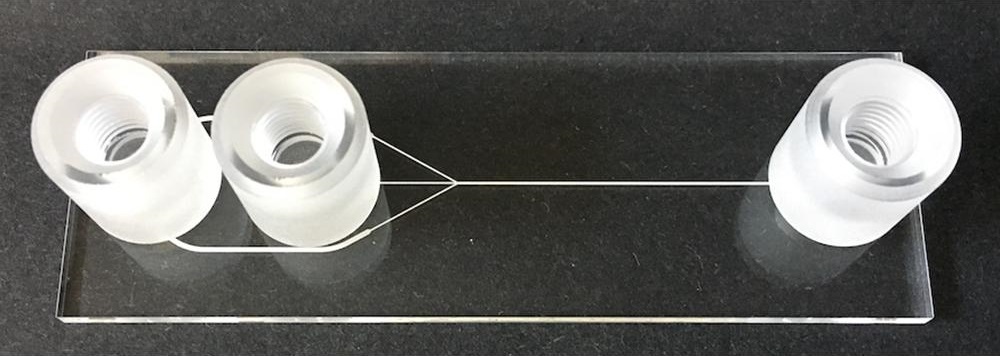
The Staggered Herringbone Micromixer (SHM)—also known as a “fishbone” mixer—is a useful tool for mixing liquid media through channels featuring a staggered, herringbone-like pattern.
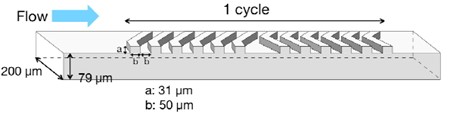
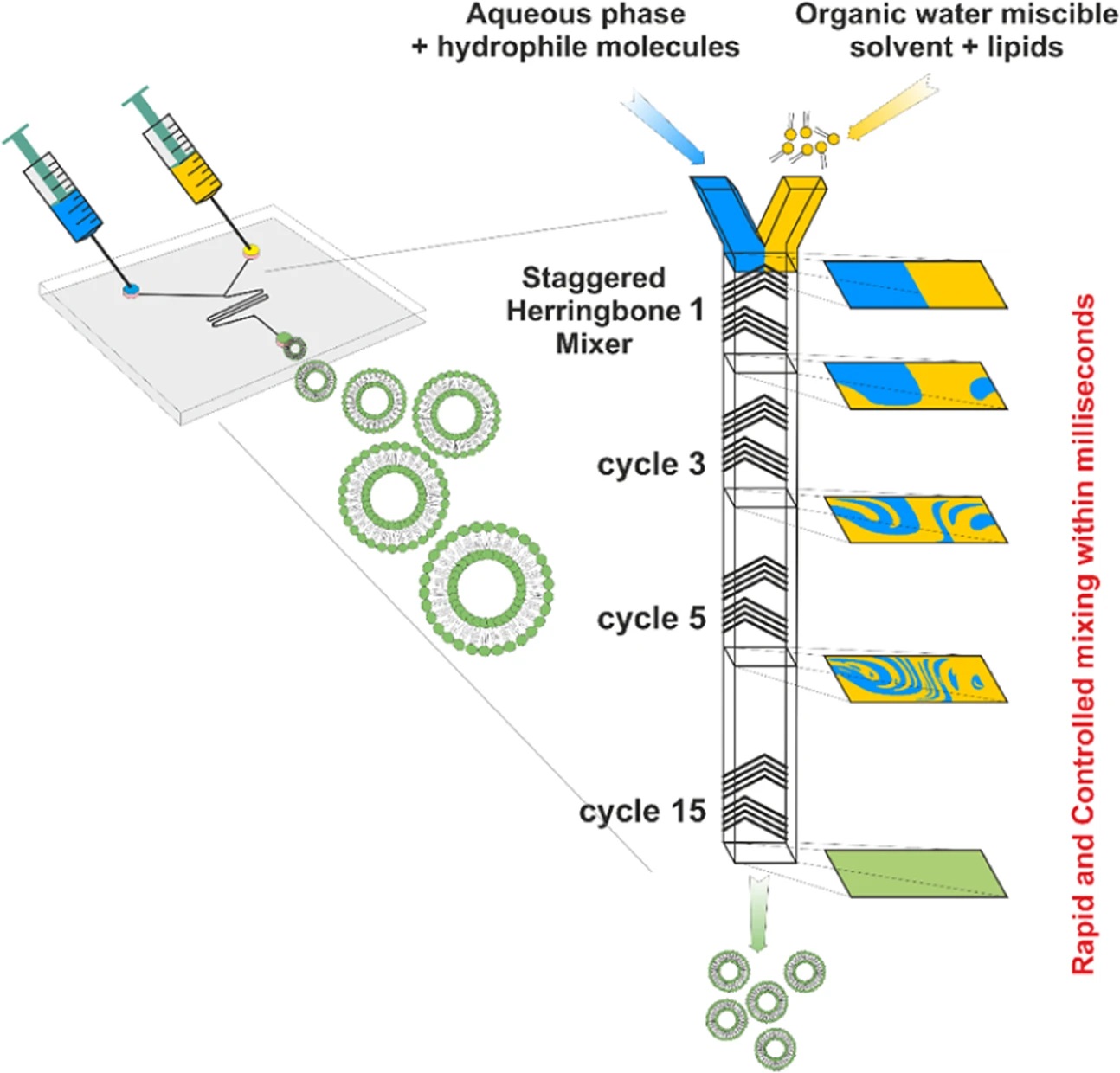
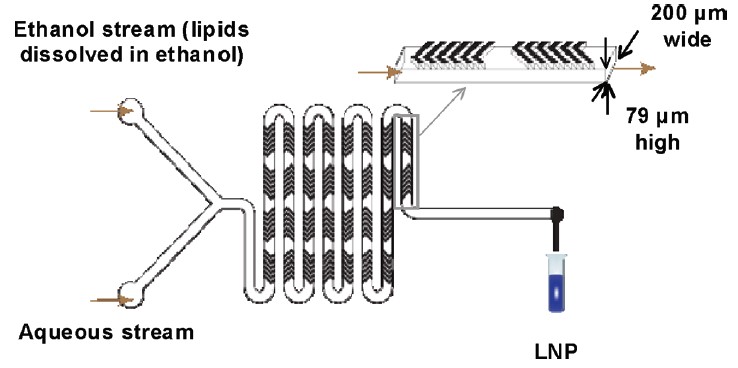
The cross-sectional view of a mixing cycle is shown below. The herringbone mixer has 15 mixing cycle cycles. Each cycle contains 2 sets of herringbone arms, and each set of herringbone arms contains 6 herringbone structural units. The fishbone shape here is recessed into the surface of the channel.
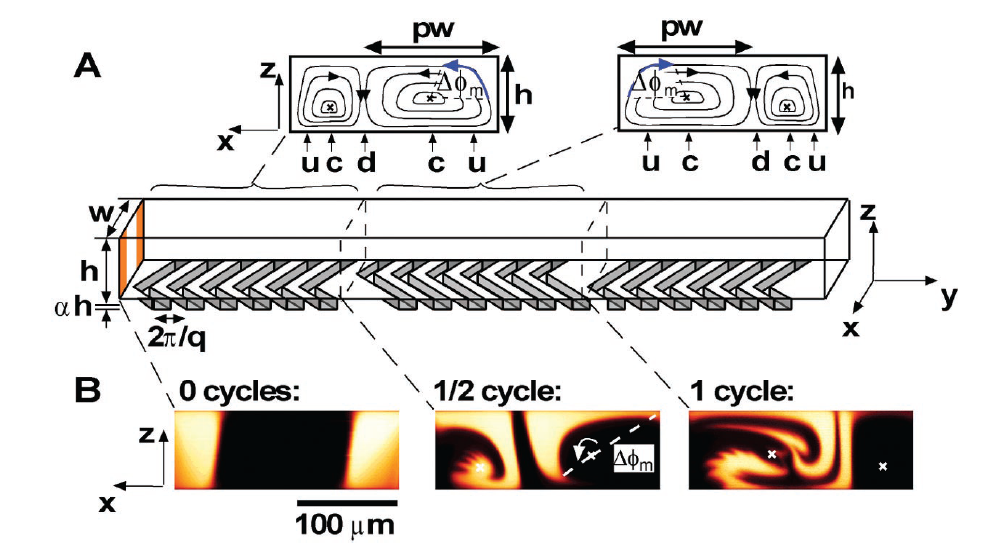
The classic herringbone mixer design is a mixing structure published by Stroock et al. in *Science* in 2002. (Abraham D. Stroock et al., “Chaotic Mixer for Microchannels,” *Science* 295, 647 (2002); DOI: 10.1126/science.1066238)
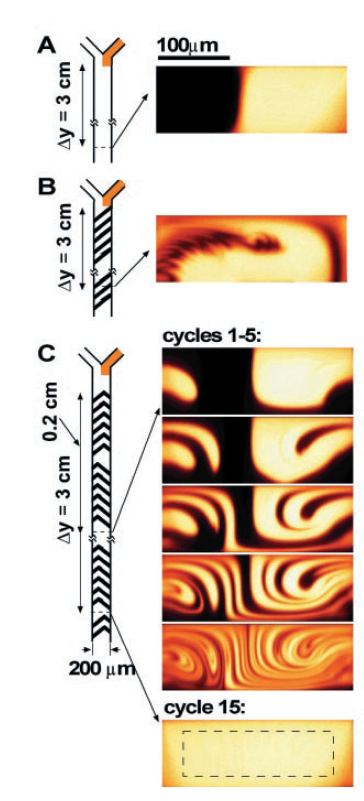
This versatile glass stagger herringbone mixer provides a way to rapidly mix two solutions by reducing the distance required for diffusion and increasing the likelihood of solute transport between the fluids.
The glass SHM mixer is easy to use, economical, and reliable; it can be applied to your experiments involving solution mixing and nanoparticle preparation:
● High-strength, optically transparent glass
● Standard microscope slide dimensions (25 × 75 mm)
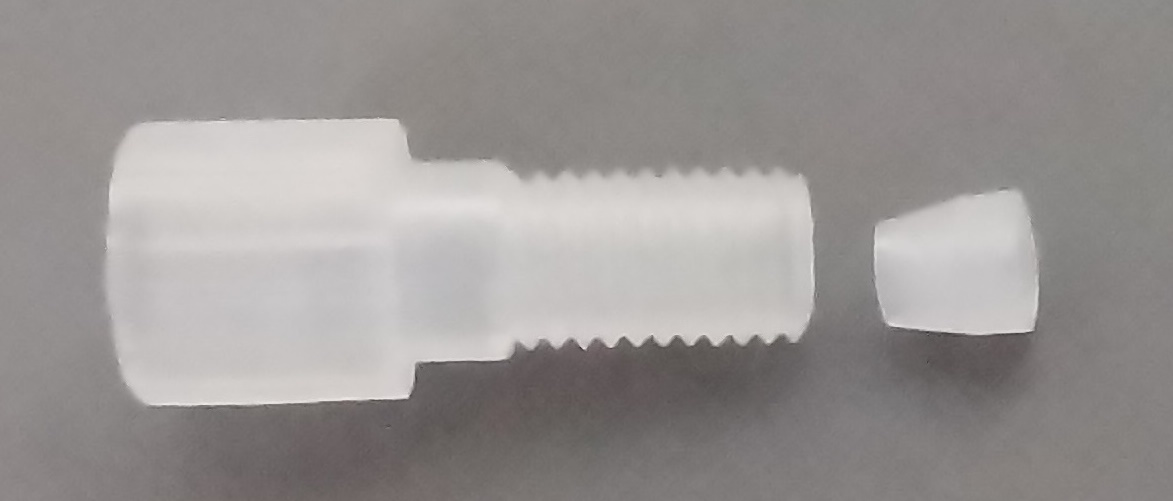
● Standard 1/4-28 UNF threaded ports
● Easy to handle
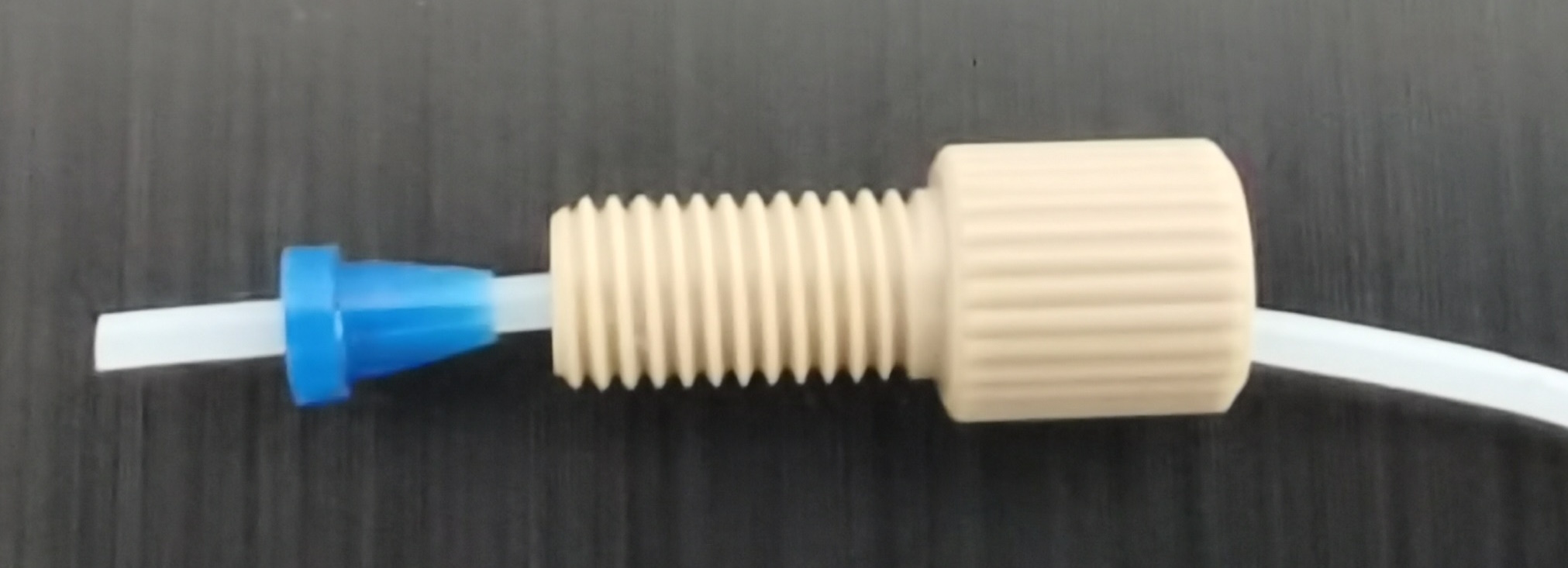
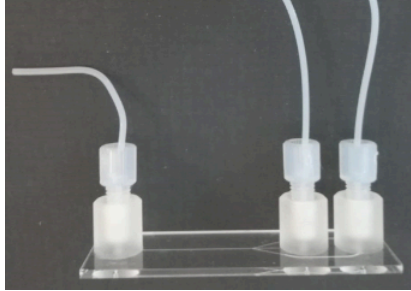
● Simply connect the chip to your setup using 1/4-28 UNF fittings (compatible with 1/16″ OD tubing).
You can use a 1/4-28 UNF threaded fitting to connect a 1/16-inch outer diameter PTFE tubing to the port of a glass SHM mixer.
Principle and Applications
The herringbone mixer accelerates solution mixing at low Reynolds numbers by inducing the formation of chaotic flow.
The herringbone mixer features a specific pattern of asymmetric, herringbone-shaped grooves at the bottom of its microchannel. These grooves induce helical flow and chaotic mixing, which are effective for blending two liquids. The mixing of fluids within microchannels has numerous applications, such as the homogenization and blending of reagent solutions for chemical reactions, as well as the preparation of various nanoparticles—including LNP (lipid nanoparticle) liposomes, mRNA-LNPs, siRNA-LNPs, peptide/protein/nucleic acid-based therapeutics, and polymeric nanoparticles.
This type of herringbone mixer has led to significant advancements in the production of liposomes (closed phospholipid vesicles). Notably, Cheung et al. (Int J Pharm, 2019) were the first to report the use of a herringbone mixer chip to produce stable, uniform (100 nm) PEGylated liposomes. They investigated the influence of various formulations—such as aqueous solutions, initial lipid concentrations, and specific lipid compositions—as well as key process parameters.
Compared to other microfluidic devices, this mixer offers higher throughput, faster mixing, and reduced elution (or lower residual volume).
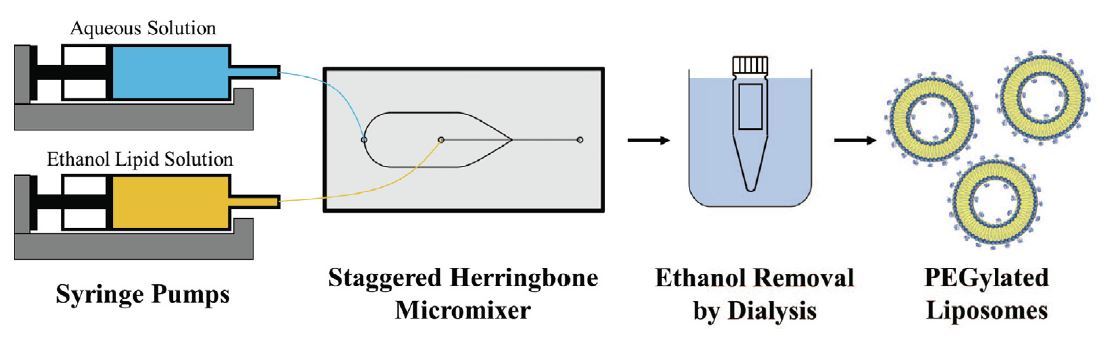
Schematic of the setup from Cheung and Al-Jamal, International Journal of Pharmaceutics 566 (2019) 687–696
Specifications for Glass Stagger Herringbone Mixers
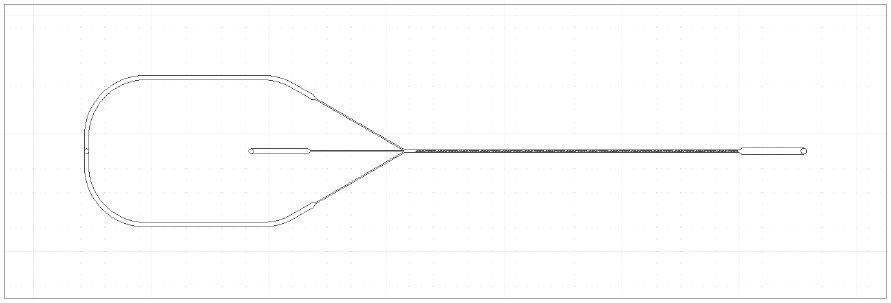
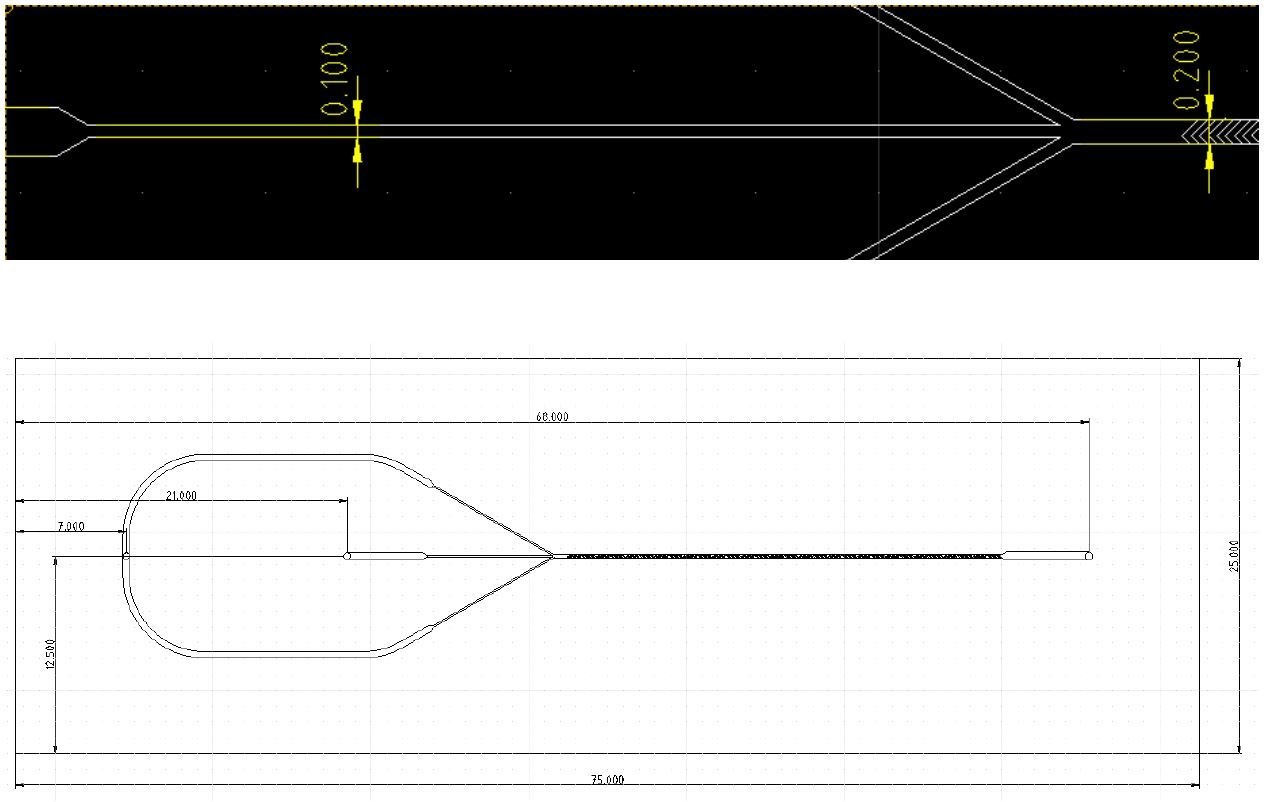
| Model TS-SHM-GCC (without holder) or model TS-SHM-GCH (with holder) | |
| Material | Schott glass (resistant to acids, bases, and high temperatures—up to 150°C) |
| External dimensions | 75 x 25 x 2 ± 0.3 mm |
| Number of inlets/outlets | 2 / 1 |
| Total internal volume | 3.0 μL |
| Mixing volume | 0.47 μL |
| Mixing type | Herringbone (fishbone) pattern |
| Number of mixing cycles | 15 complete mixing cycles |
| Number of structural elements per individual mixing cycle | Includes 2 sets of chevron-shaped arms, with each set consisting of 6 chevron-shaped structural units, for a total of 12 such units. |
| Chevron (fishbone) height/width/spacing | 31 μm / 50 μm / 50 μm |
| Mixing length | 28.7 mm |
| Channel depth | 0.08 – 0.11 mm |
| Channel width | 0.1 – 0.5 mm |
| Flow rate @ 3 bar | 3.4 mL/min |
| Mixer pressure resistance | 15 bar |
Example
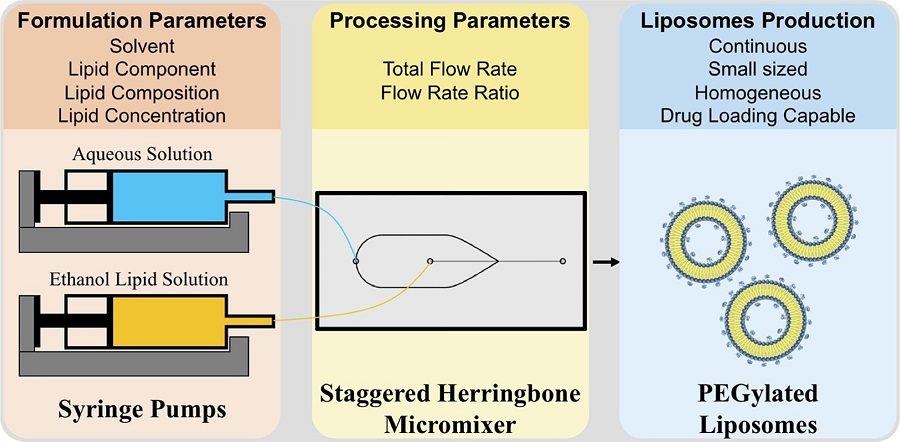
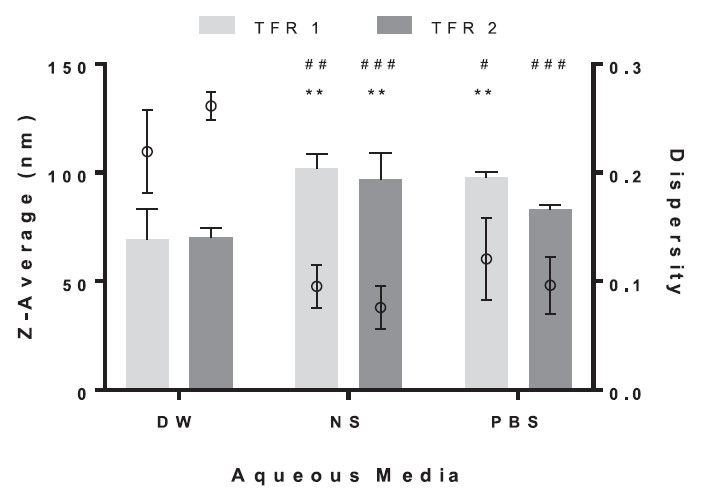
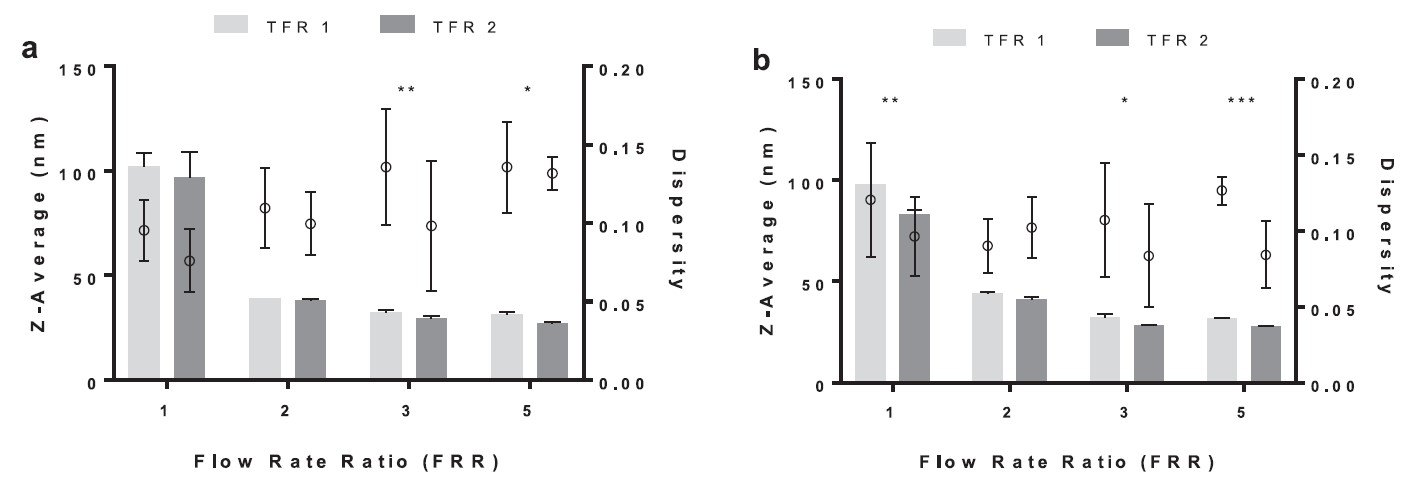
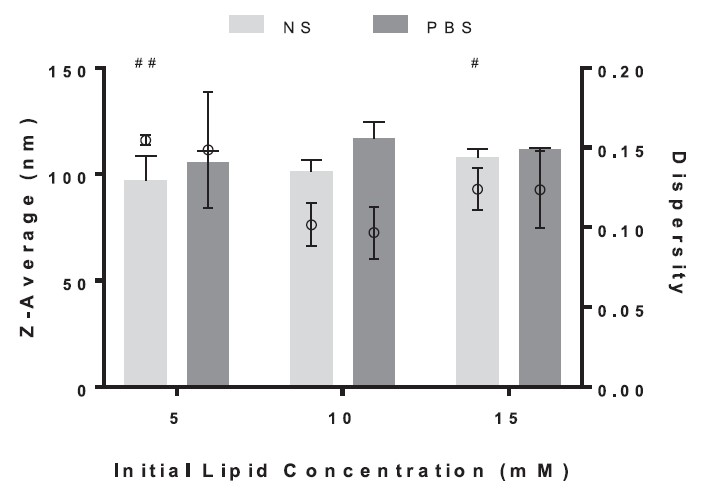
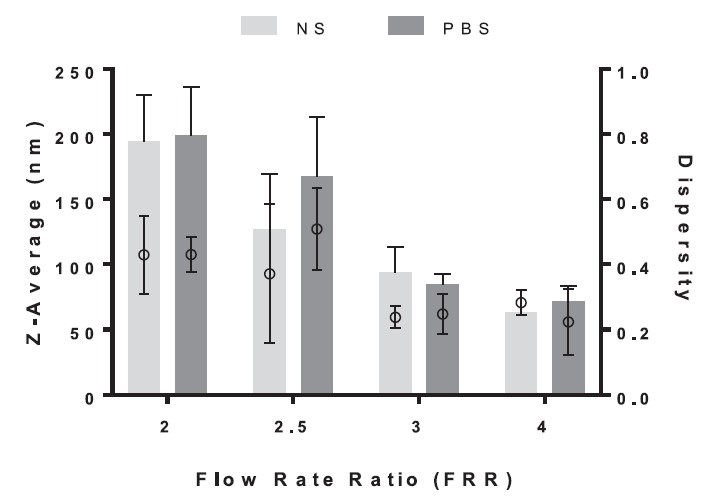
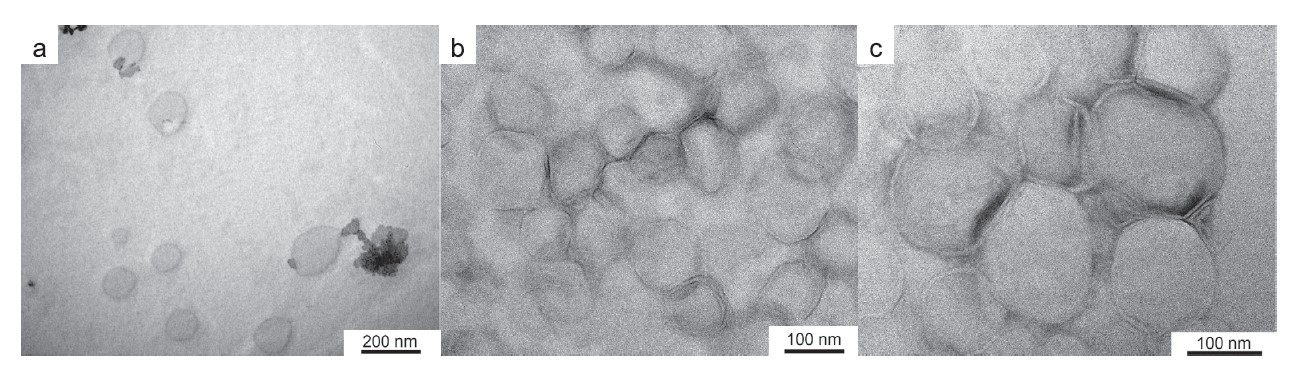
Cheung CCL, Al-Jamal WT. Int J Pharm. 2019 Jul 20;566:687-696.
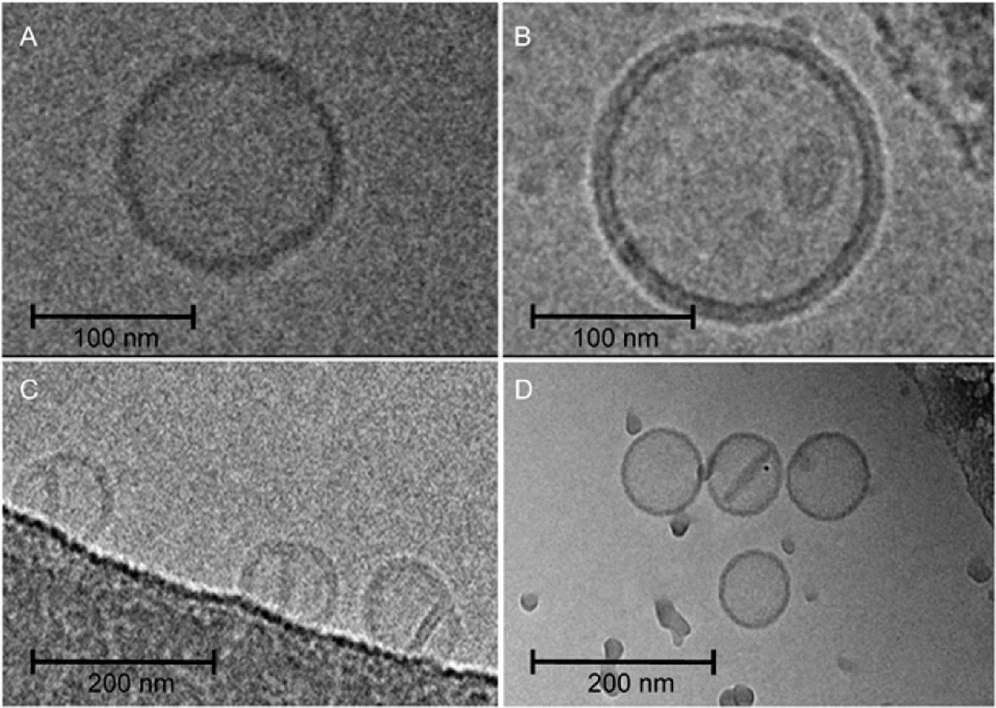
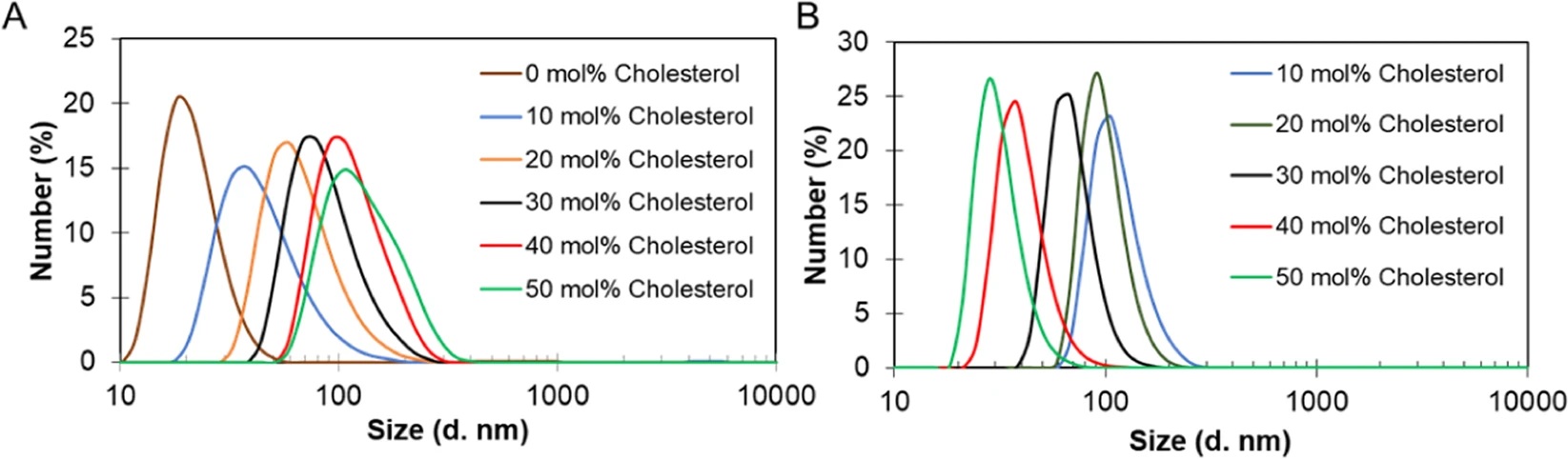
Kotouček J, Hubatka F, Mašek J, Turánek J. et al. Sci Rep. 2020 Mar 27;10(1):5595.
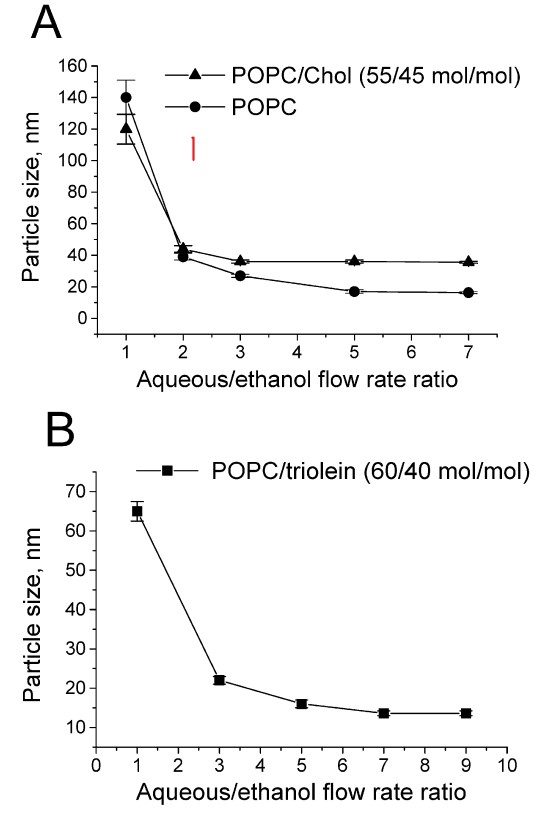
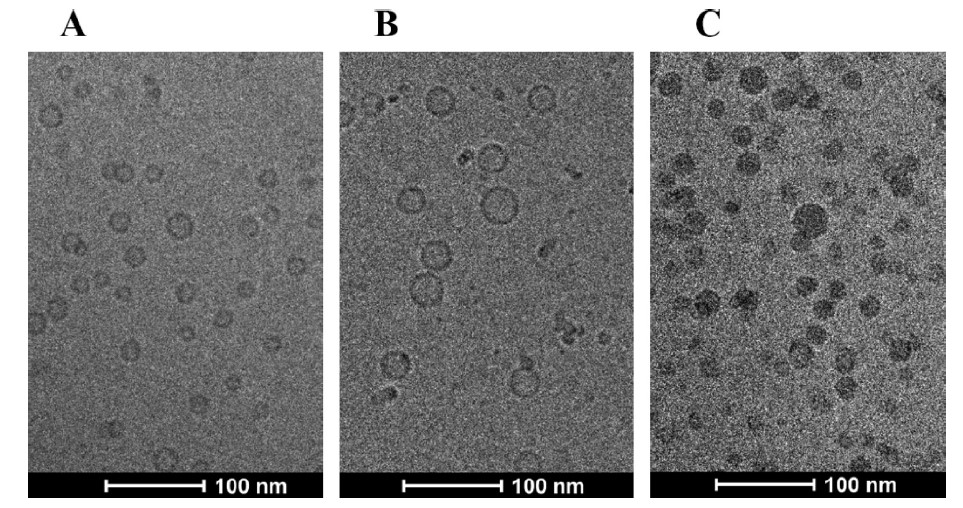
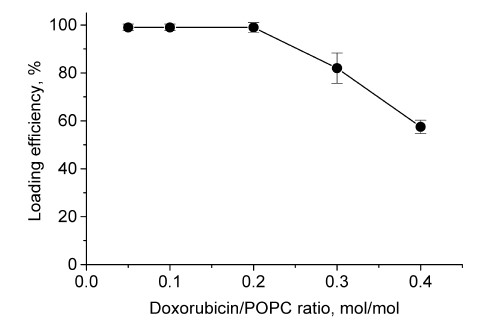
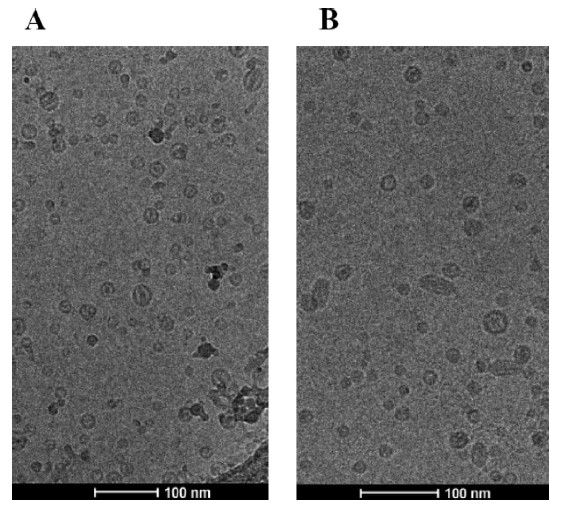
Zhigaltsev IV, Belliveau N, Cullis PR, et al. Langmuir. 2012 Feb 21;28(7):3633-40.
Order information:
Goods Name: Glass Stagger Herringbone Mixer (Glass SHM Mixer)
SKU: TS-SHM-GCC
Specifications: Includes one glass SHM mixer and ten 1/4-28 UNF threaded fittings with PEEK material, designed for connecting 1/16-inch OD PTFE tubing. No holder required. Maximum pressure rating: 15 bar. Microscope slide dimensions: 75 x 25 x 2 mm.
Unit: Set
Quantity: 1 or others
Goods Name: Glass Stagger Herringbone Mixer (Glass SHM Mixer)
SKU: TS-SHM-GCH
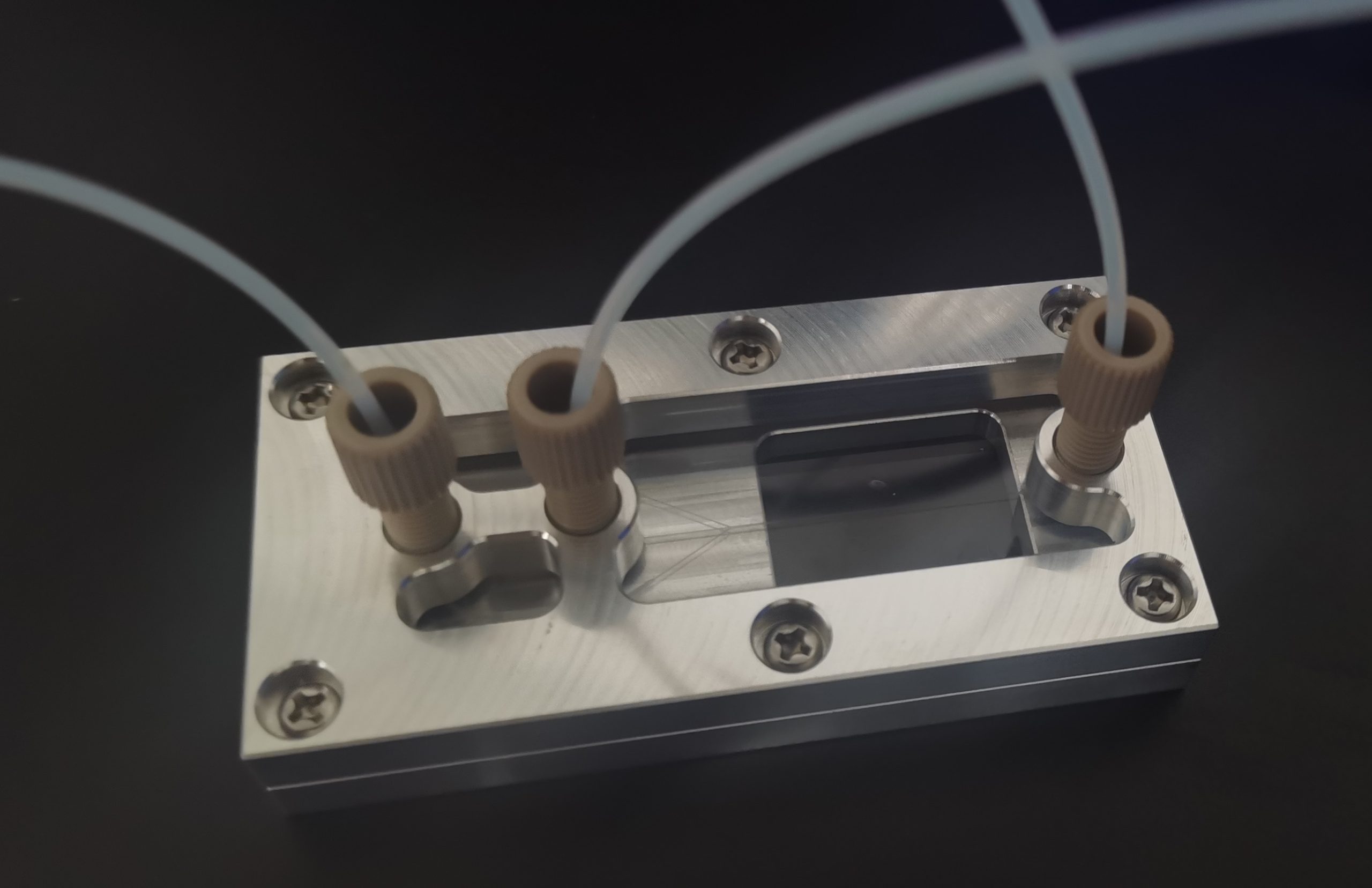
Specifications: Includes two glass SHM mixers and one metal chip holder, ten 1/4-28UNF threaded fittings with PEEK material, suitable for connecting PTFE tubing with an outer diameter of 1/16 inches. The threaded holes on the metal chip holder accommodate 1/4-28UNF threaded connectors. Maximum pressure resistance 15bar, microscope slide size: 75 x 25 x 2 mm.
Unit: Set
Quantity: 1 or others