


Droplet microfluidics is a branch of microfluidic technology that uses the flow of immiscible multiphase fluids to create and manipulate discrete volumes of liquid. Compared to continuous-flow systems, droplet microfluidics enables the separation and manipulation of samples in individual compartments. The generation of droplets of uniform size and shape provides a stable microenvironment for biochemical reactions, and the parallel processing of a large number of droplets helps achieve ultra-high throughput. Furthermore, confining individual targets within separate droplets and processing each target independently enables high-precision analysis.
The continuous oil phase generated by droplet microspheres typically uses fluorinated surfactants such as Fluorinated oil HFE7500, TSH7500, FC40, FO135, FO7500 or FO200. These are used in application fields such as cell biology, pharmacology, gene therapy, spatial transcription, and ddPCR. The continuous oil phase typically contains fluorinated surfactants such as Surf, RAN 008, PicoSurf 2w/w% or 5w/w%, FluoSurf neat, or PFPE-PEG-PFPE. Among these, the molecular structure of the PFPE-PEG-PFPE fluorinated surfactant is shown below:

References:
C. Holtze, A. C. Rowat, J. J. Agresti, D. Pisignanoc and D. A. Weitz et al. Biocompatible surfactants for water-in-fluorocarbon emulsions. Lab on a Chip. 2008 Oct;8(10):1632-1639. DOI: 10.1039/b806706f.
Sarah Köster, Francesco E. Angilè, Honey Duan, Jeremy J. Agresti, Andrew D. Griffithsc and David A. Weitz et al. Drop-based microfluidic devices for encapsulation of single cells. Lab on a Chip. 2008 Jul;8(7):1110-1115. DOI: 10.1039/b802941e.
Surf-DG7500 droplet generation oil is produced by directly dissolving the fluorinated surfactant PFPE-PEG-PFPE into 3M Novec HFE7500, TSH7500 and FC40 fluorinated oils, followed by multiple distillations and blending. It is supplied in liquid form and is ready for immediate use.
Key Features:
1. Continous oil phase used for the generation of water-in-oil (W/O) type droplet microspheres
2. Generate stable and consistent droplet microspheres with diameters ranging from 4 to 400 μm
3. Batch-to-batch reproducibility and long-term stability
4. Liquid state and ready to use.
Applications:
1. Cell and molecular biology experiments
2. Analysis and research on cell growth and secretion
3. Preparation of water-in-oil (W/O) droplet microspheres
4. Single-cell analysis and isolation
5. Digital droplet PCR
6. Screening of cells, genes, or biomolecules
7. Synthetic biology
8. Control of chemical and biological reactions
9. DNA amplification
10. 3D Cell culture in droplet microspheres
11. Alginate microsphere hydrogel / polyacrylamide microspheres / agarose microspheres
12. Encapsulation, sorting, fusion, and picoinjection of droplets, microspheres, or cells
13. Organoid encapsulated into microspheres
14. GUV vesicle synthesis
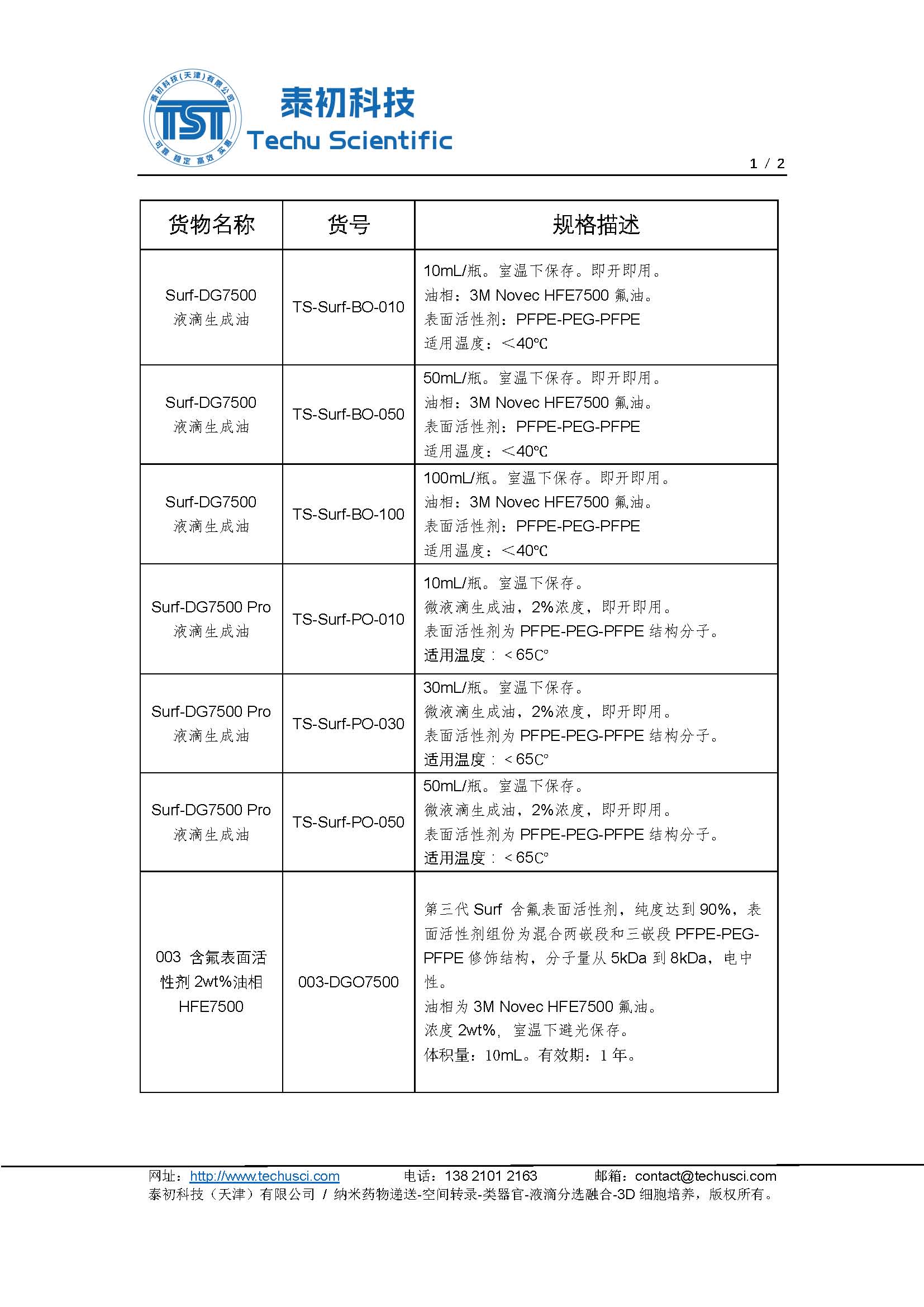
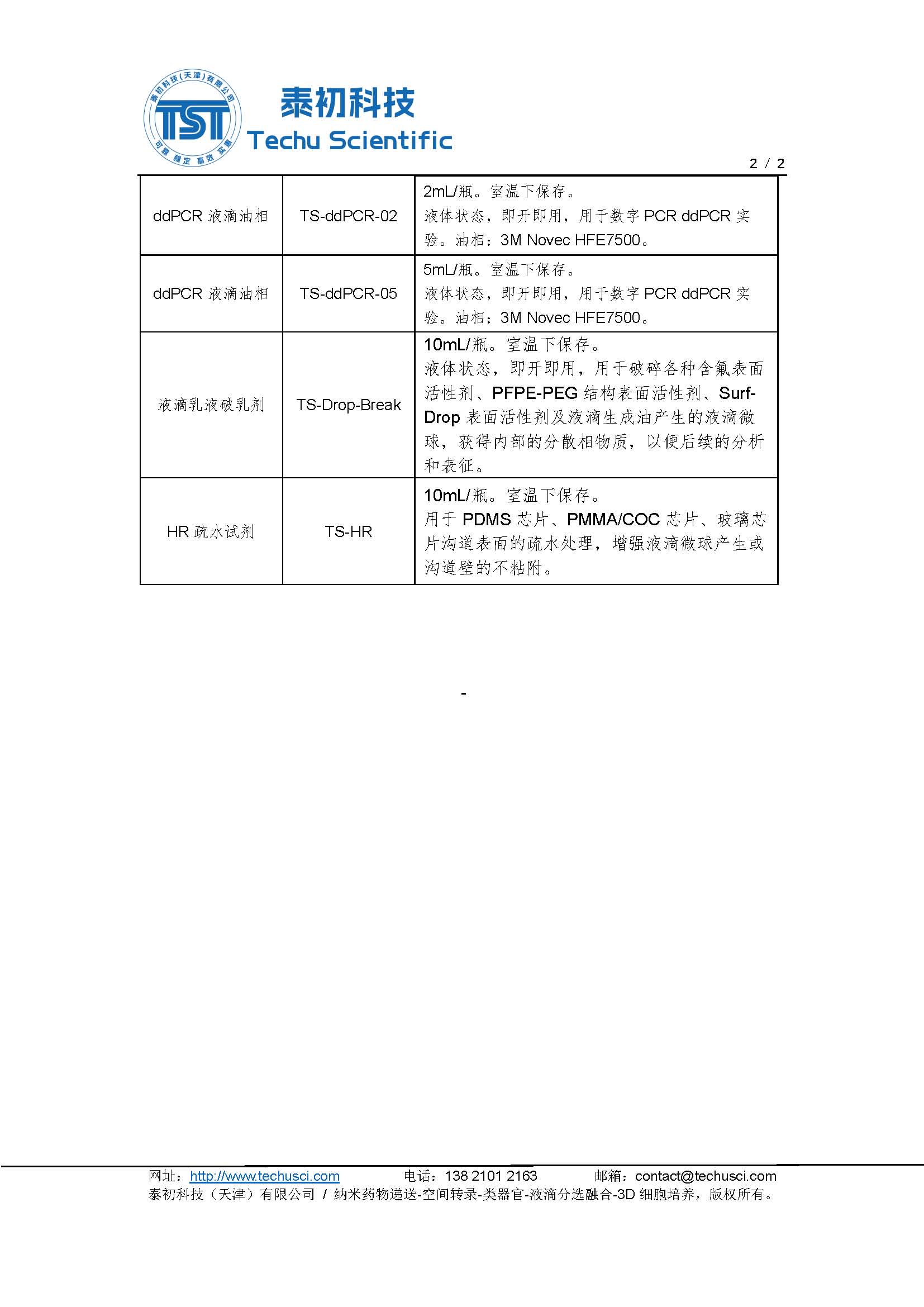
The Surf-DG7500 droplet generation oil is available in 10 mL, 50 mL, and 100 mL packages. See the sample photos below:
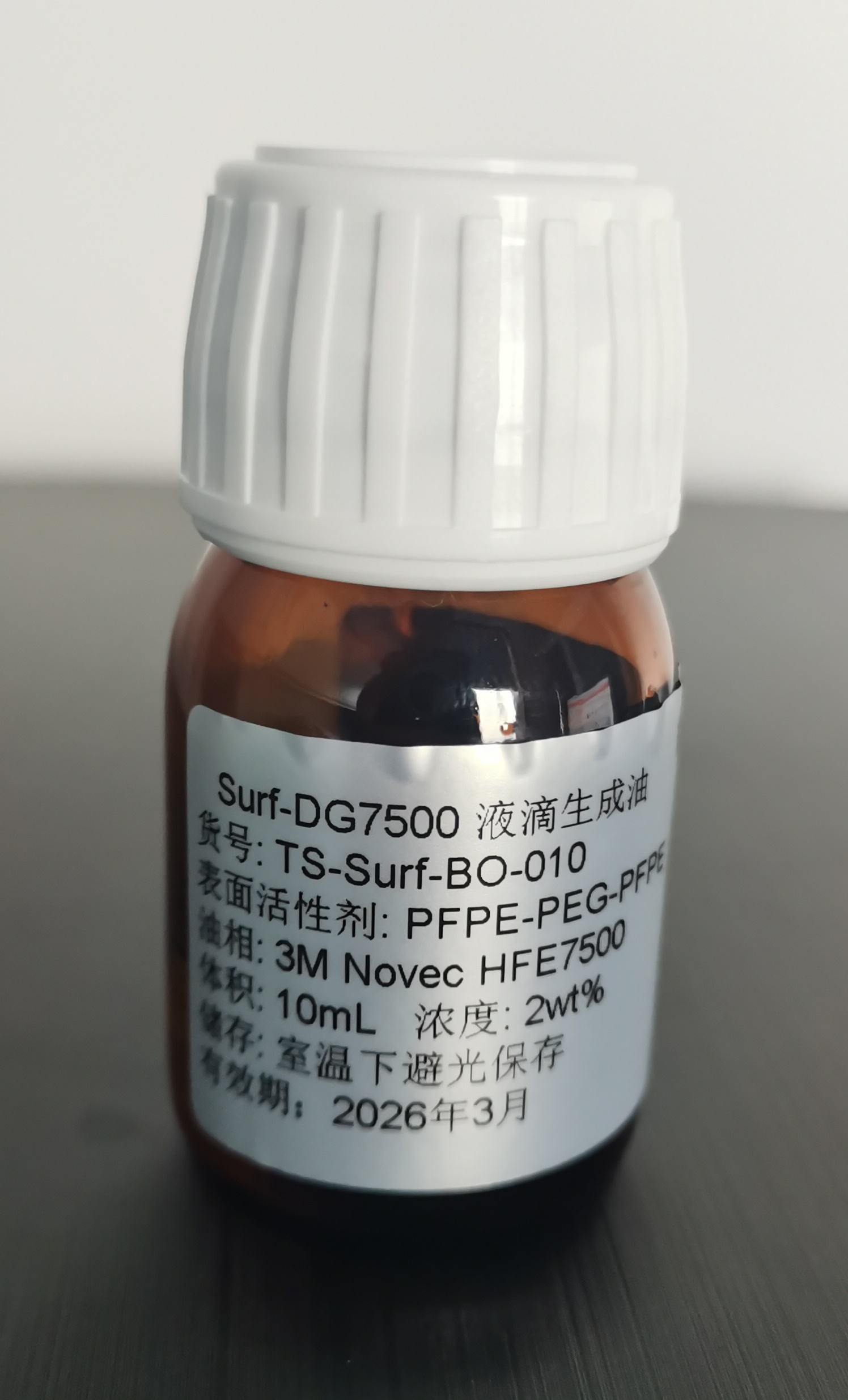
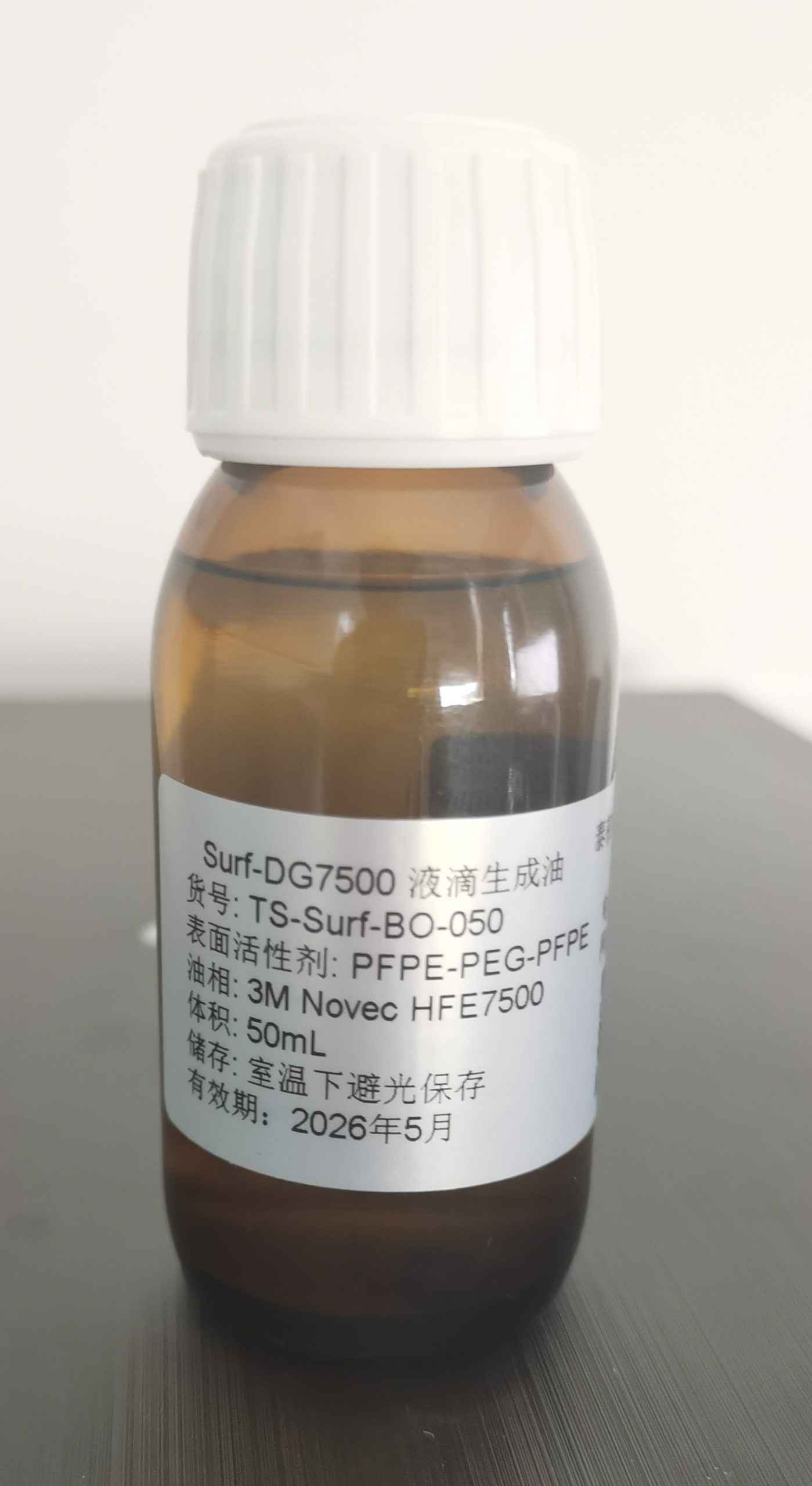
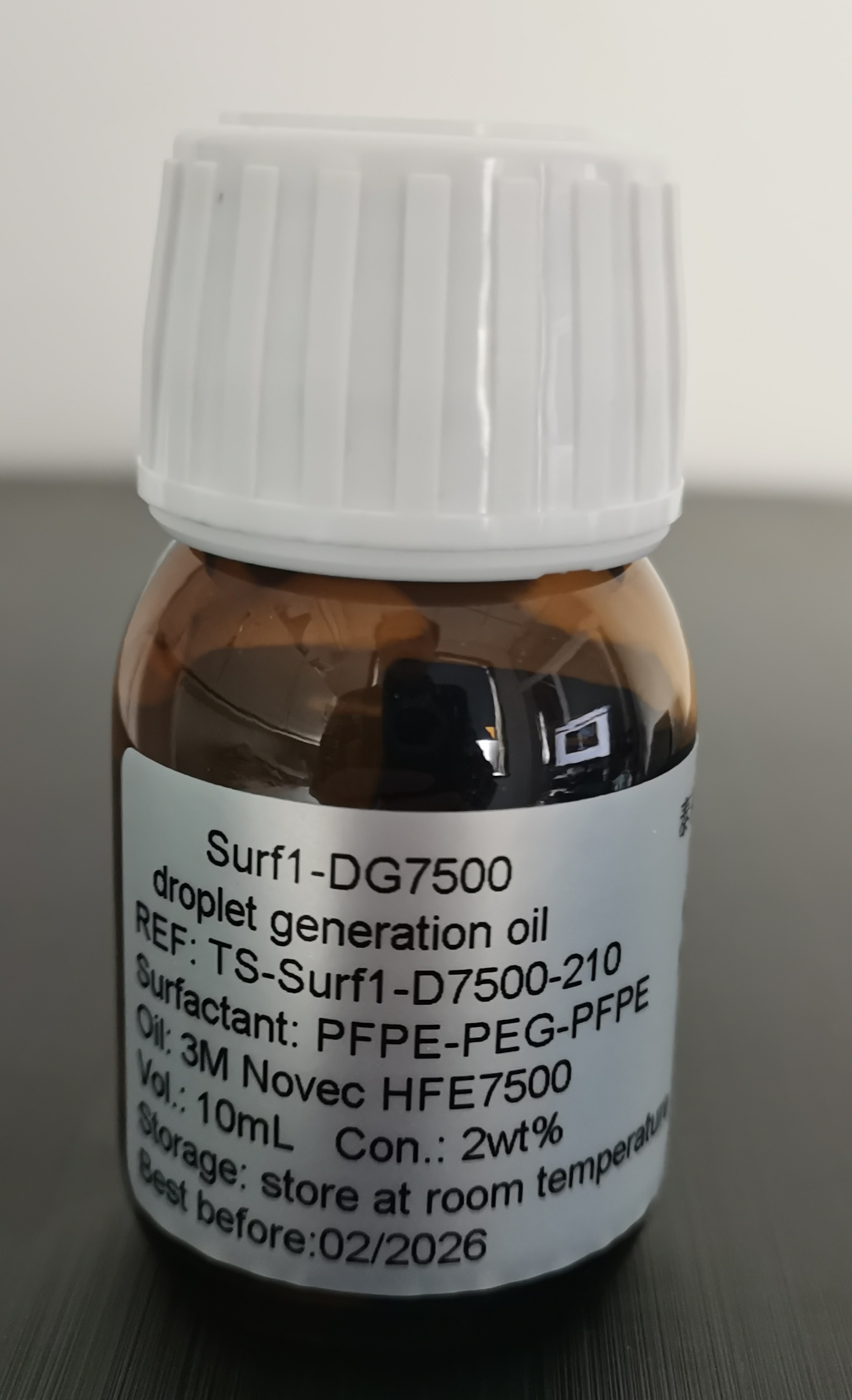
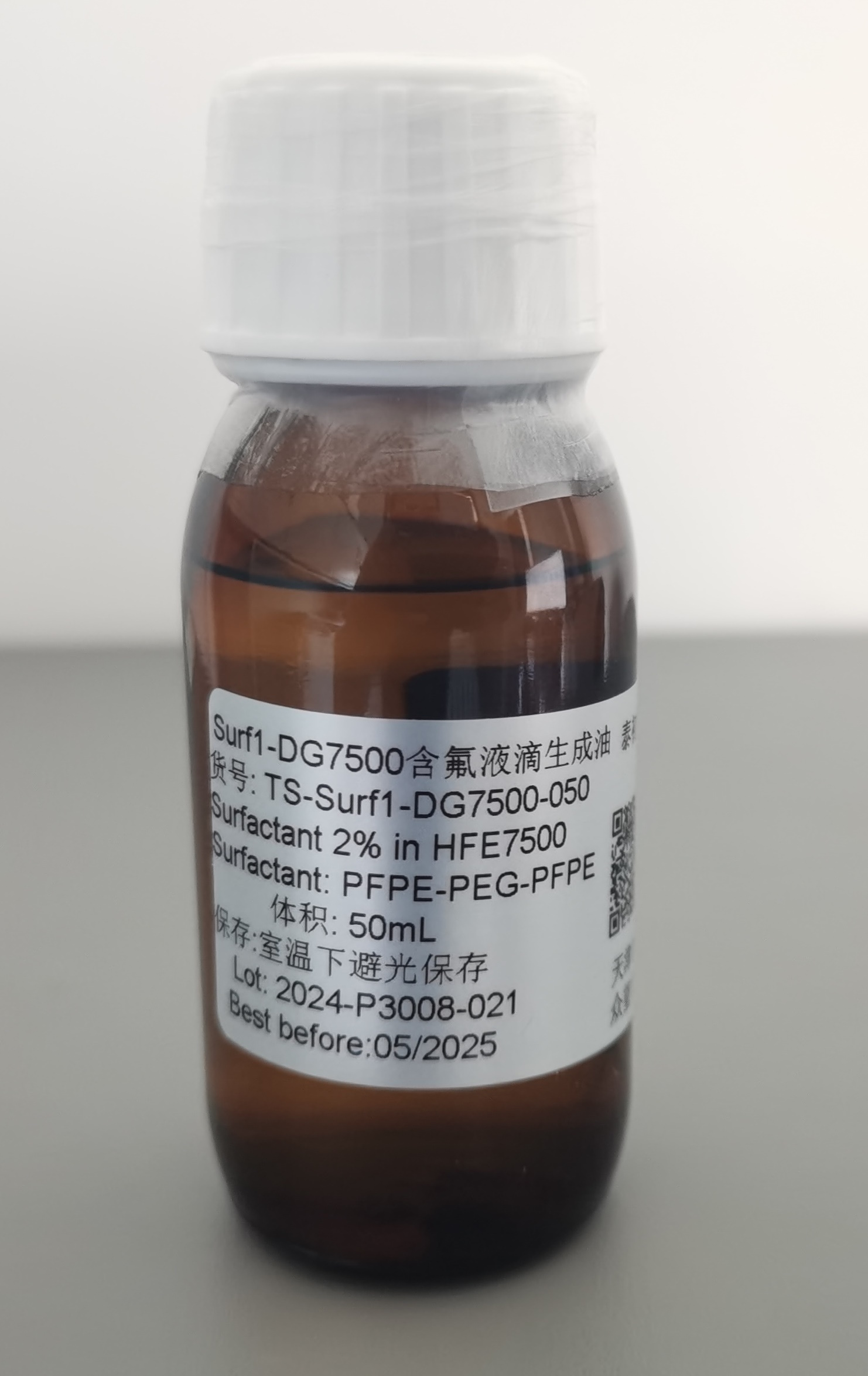
The Surf-DG7500 Pro droplet generation oil is available in 10 mL, 50 mL, and 100 mL packages. See the sample photos below:
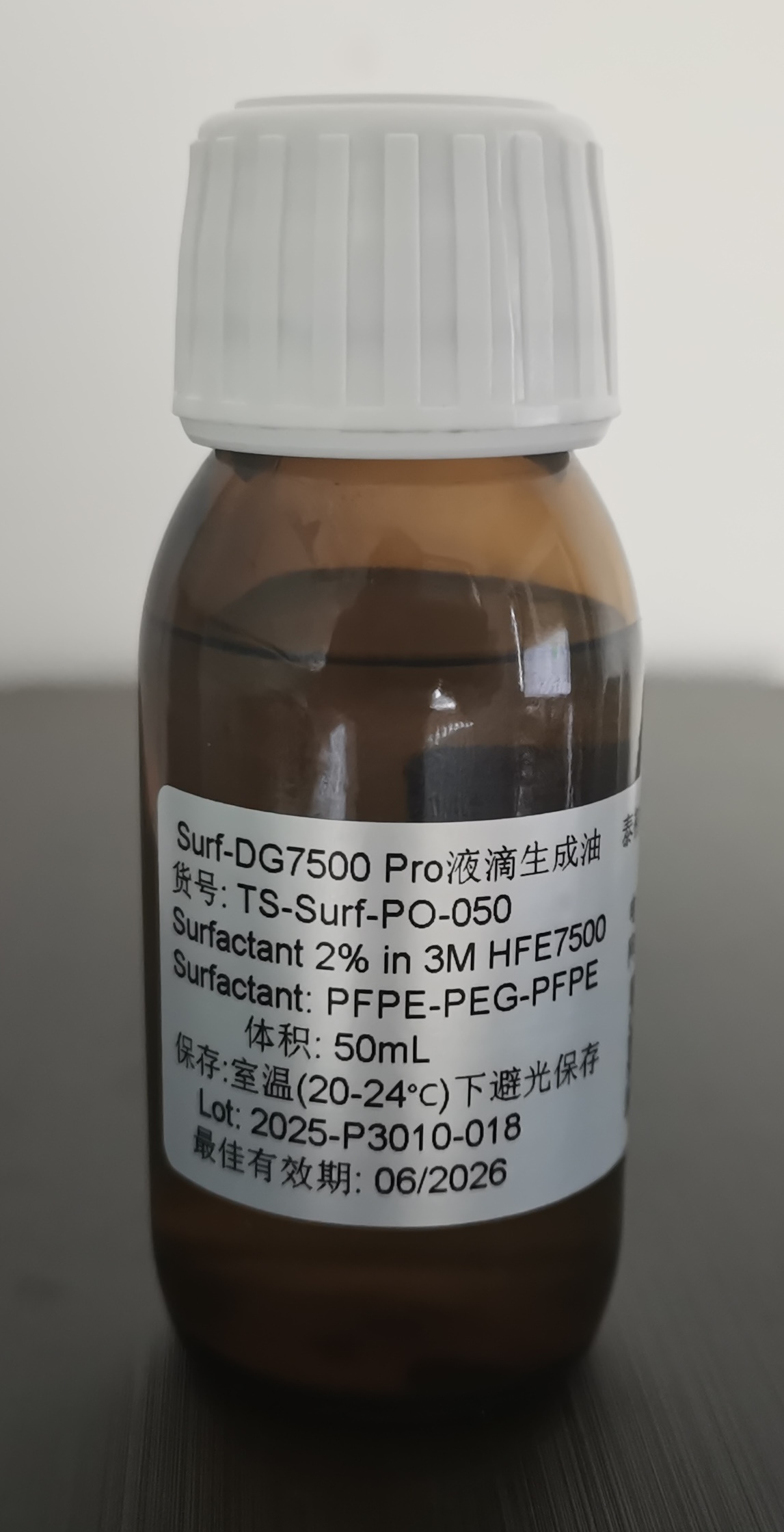
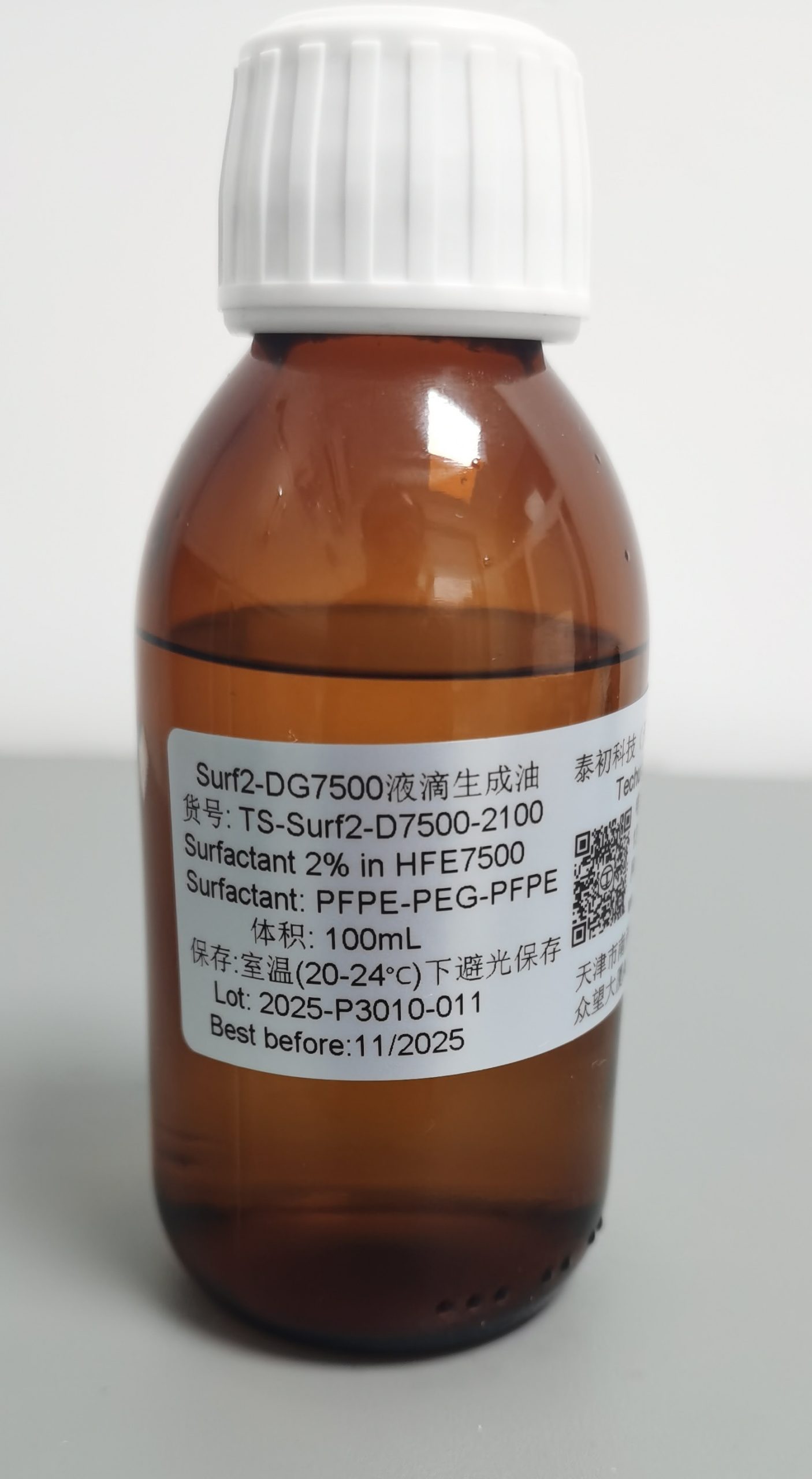
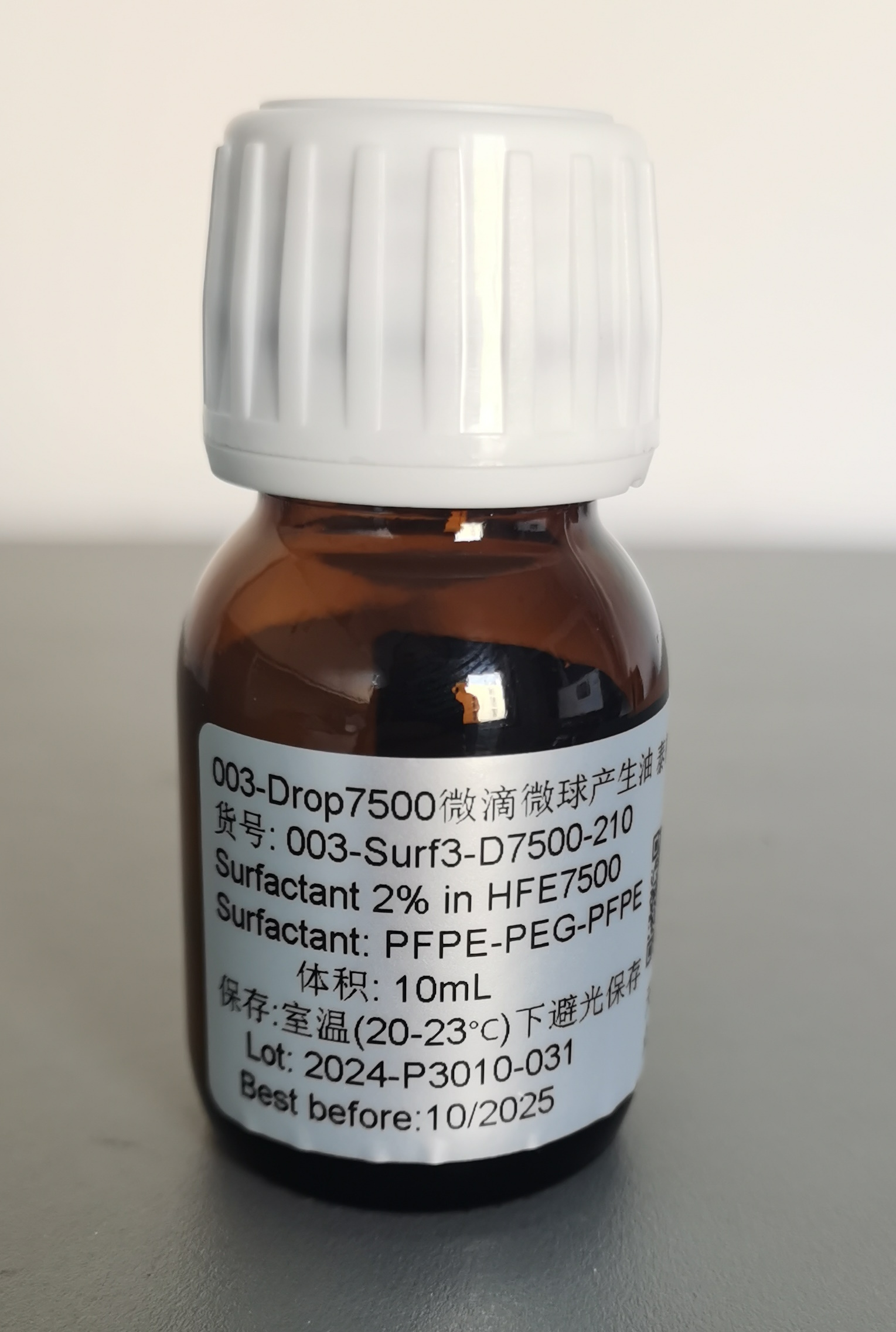
003 surfactant 2wt% in HFE7500 or TSH7500 is available in 10 mL and 50 mL packages. See the sample photos below:
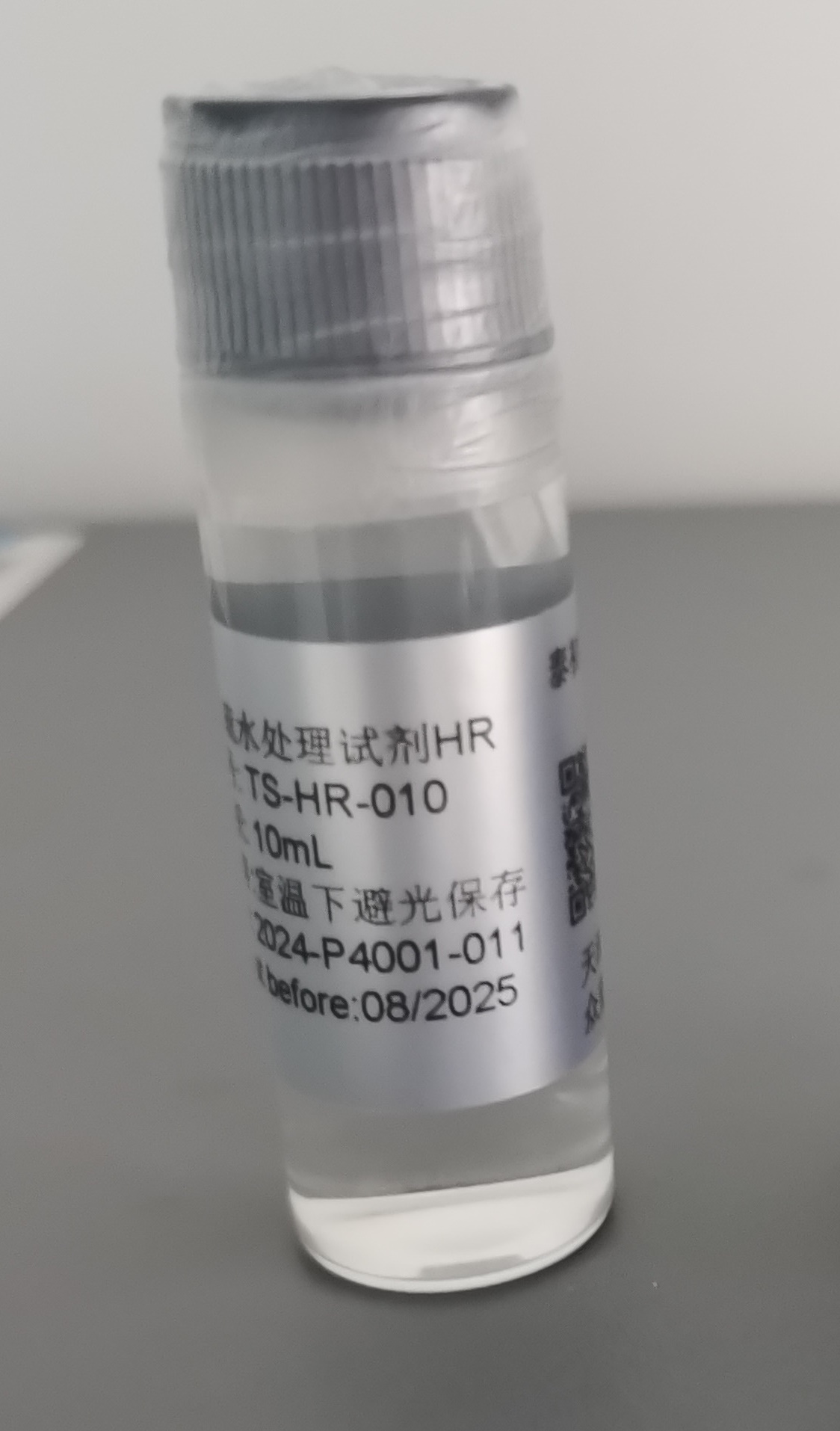
Hydrophobic reagent HR is typically used to treat the channel surfaces of PDMS, PMMA/COC, or glass, rendering them hydrophobic. This enhances the stability of water-in-oil (W/O) droplets, prevents them from coalescing or aggregating, and simultaneously reduces the adhesion of cells, beads, and proteins to the surfaces or walls of the microchannels.
Each bottle of HR hydrophobic reagent contains 10 mL and should be stored at room temperature, protected from light.
The Surf series of fluorinated surfactants—HFE7500, TSH7500, and FC40—are available in standard packaging sizes of 10 mL, 30 mL, 50 mL, and 100 mL. We also offer customized volume options.
Please provide us with the names and catalog numbers of the items you require—referencing the specifications in the table below—along with your preferred delivery date, shipping address, and contact information. We will dispatch your order to your specified address within 7 days. Alternatively, we can schedule shipment for a specific date of your choosing, ensuring both convenience in receiving your order and the timely, uninterrupted progress of your experiments or projects.
Test Examples:
Components used:
1. PDMS droplet generator chip (diameter range: 25–30 μm, REF: MCN-G4)
2. Three-channel OB1 MK3+ pressure controller with pressure range of 0/2 bar
3. MFS2 thermal flow sensor and BFS1+ coriolis flowmeter
4. 2 mL reservoirs, PTFE tubing (inner diameter 0.30 mm), and several 1/4-28 threaded fitting connectors
5. MShot inverted optical microscope
Steps for producing droplet microspheres:
1. Clean the 2.0 mL reservoir, PTFE capillary tubing, threaded connectors, etc.
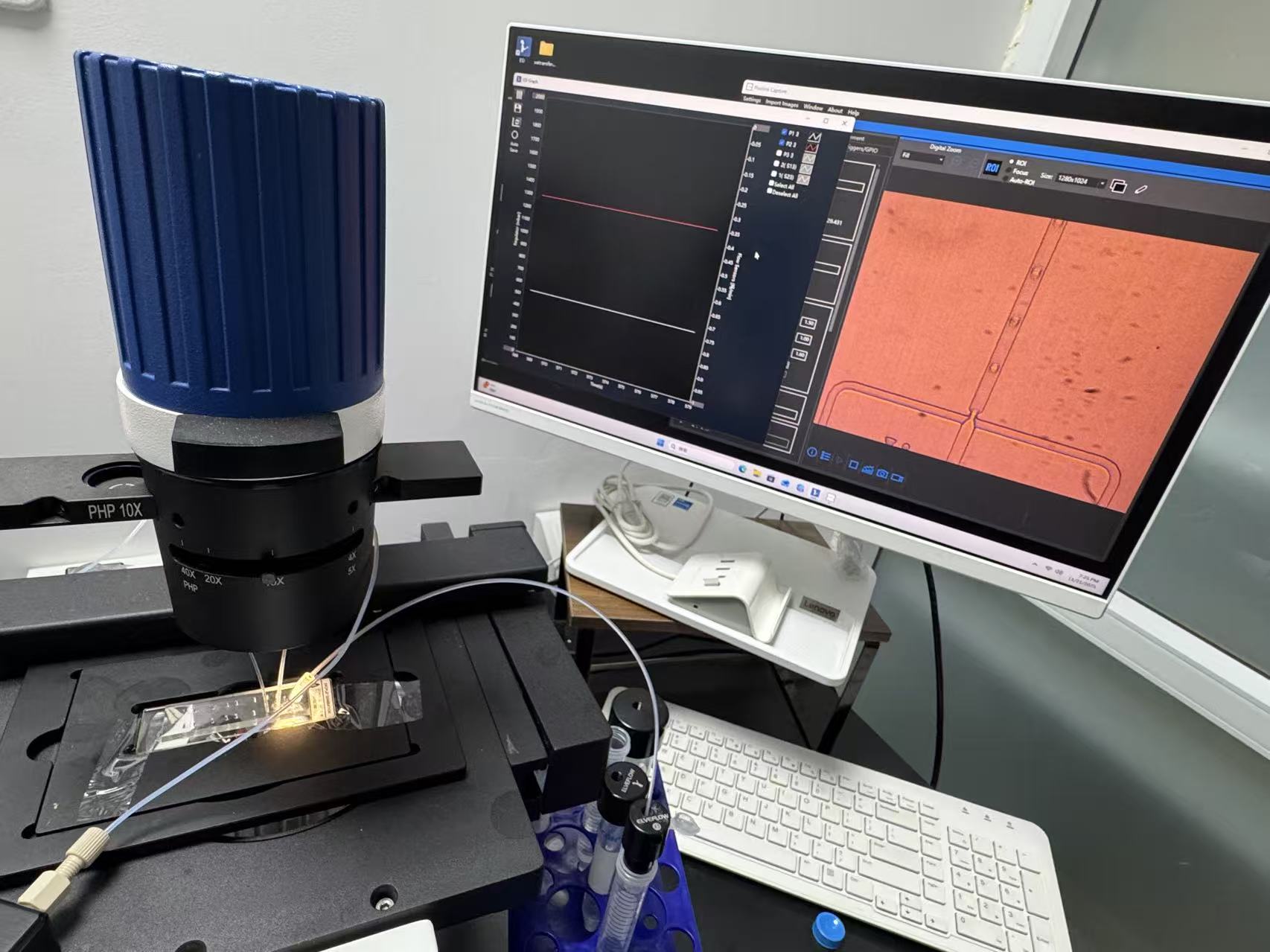
2. Connect the OB1 MK3+ pressure controller, the BFS1+ Coriolis flowmeter, the MFS2 thermal flow sensor, and the 2 mL reservoir.
3. Add Surf-DG7500 droplet generation oil and the customer’s internal phase sample solution to the two 2-mL reservoirs, respectively.
4. Under constant-pressure mode, pressure channel 1 of the OB1 drives the flow of the Surf-DG7500 droplet-generation oil, a BFS1+ Coriolis flow meter is used to monitor the real-time flow rate of the oil phase. Pressure channel 2 of the OB1 drives the flow of the sample reagent solution, an MFS2 flow sensor is used to monitor the real-time flow rate of the sample solution. Once 3–5 drops or a continuous stream of liquid are observed from the tubing port, then stop the application of pressure.
5. Connect the PDMS droplet generator chip
6. Inject the Surf-DG7500 droplet generation oil into the PDMS channel until the entire channel is filled, then inject the sample solution into the chip channel.
7. Adjust the relative pressure of the two-phase solution until droplets of the desired diameter are produced.
8. Keep the settings unchanged and run the system continuously for 6 hours.
9. After completing the experiment and waiting for 24 hours, take a small drop of the microspheres from the product solution and observe them under a microscope.
System Connection Diagram:
Results:
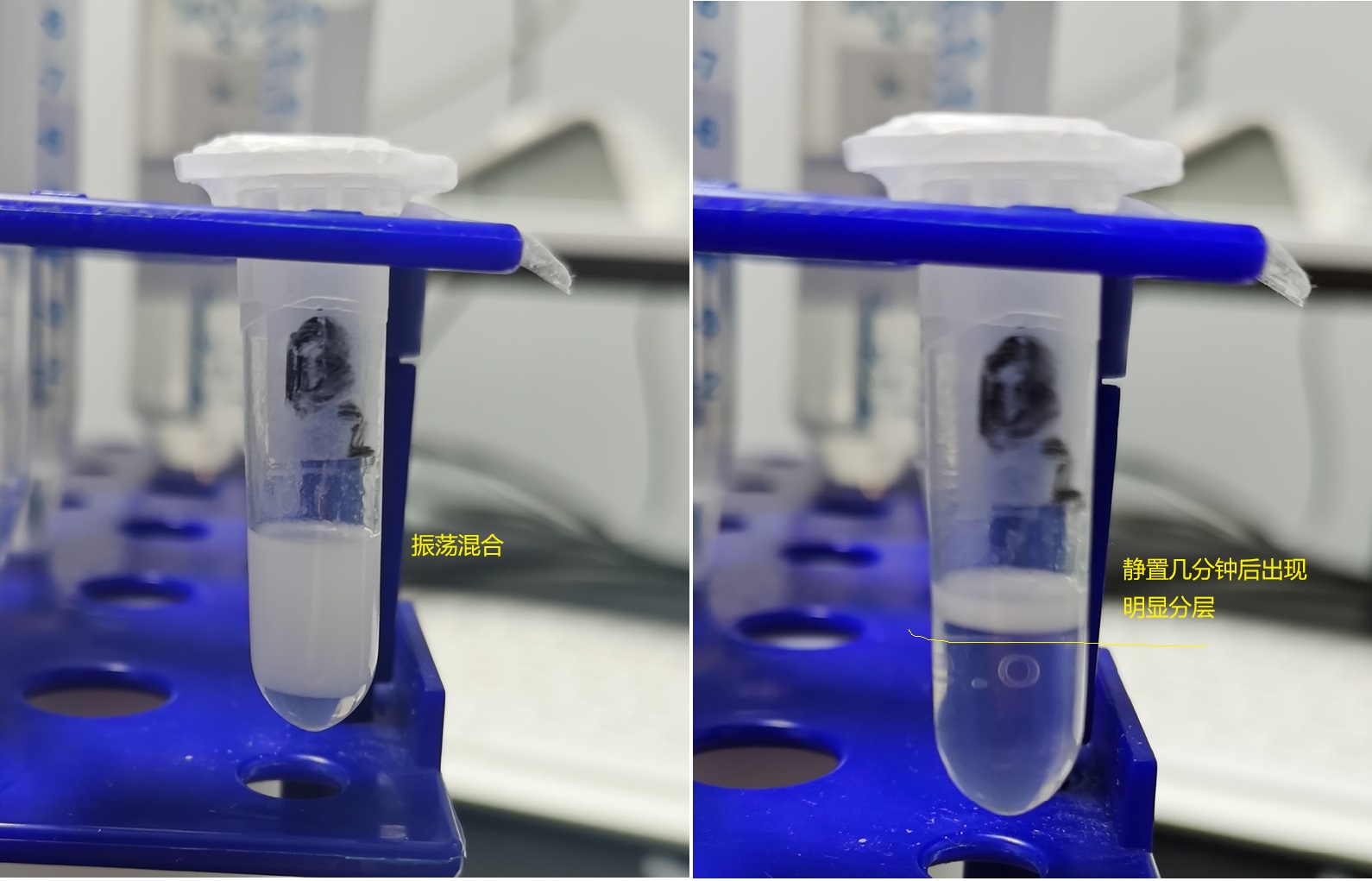
When Surf-DG7500 droplet generation oil is shaken in an EP tube and then allowed to stand for a few minutes, a distinct separation of the droplet emulsion can be observed.
Observation of the droplet-emulsion microsphere samples produced:
1. Fluo-ST3 is used to treat two standard microscope slides, or one microscope slide and one coverslip.
2. Use a PTFE tube with an inner diameter of 1/32 inch to draw up a small drop of droplet emulsion and place it on one of the microscope slides.
3. Cover the droplets of emulsion microspheres with another microscope slide, and place the slide on the microscope stage.
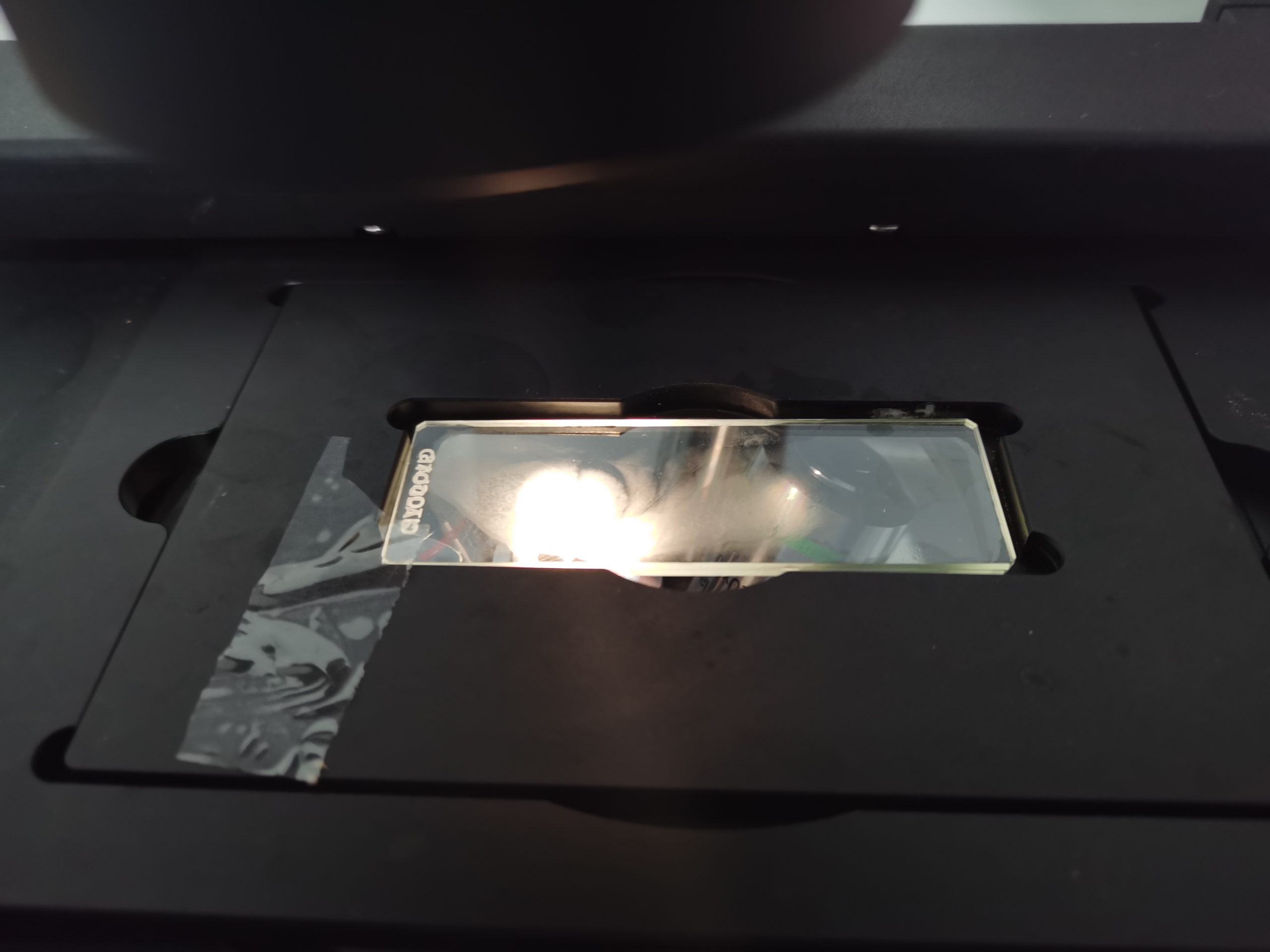
4. Using the microscope’s 4x, 10x, and 20x objectives, randomly select some droplets to photograph.
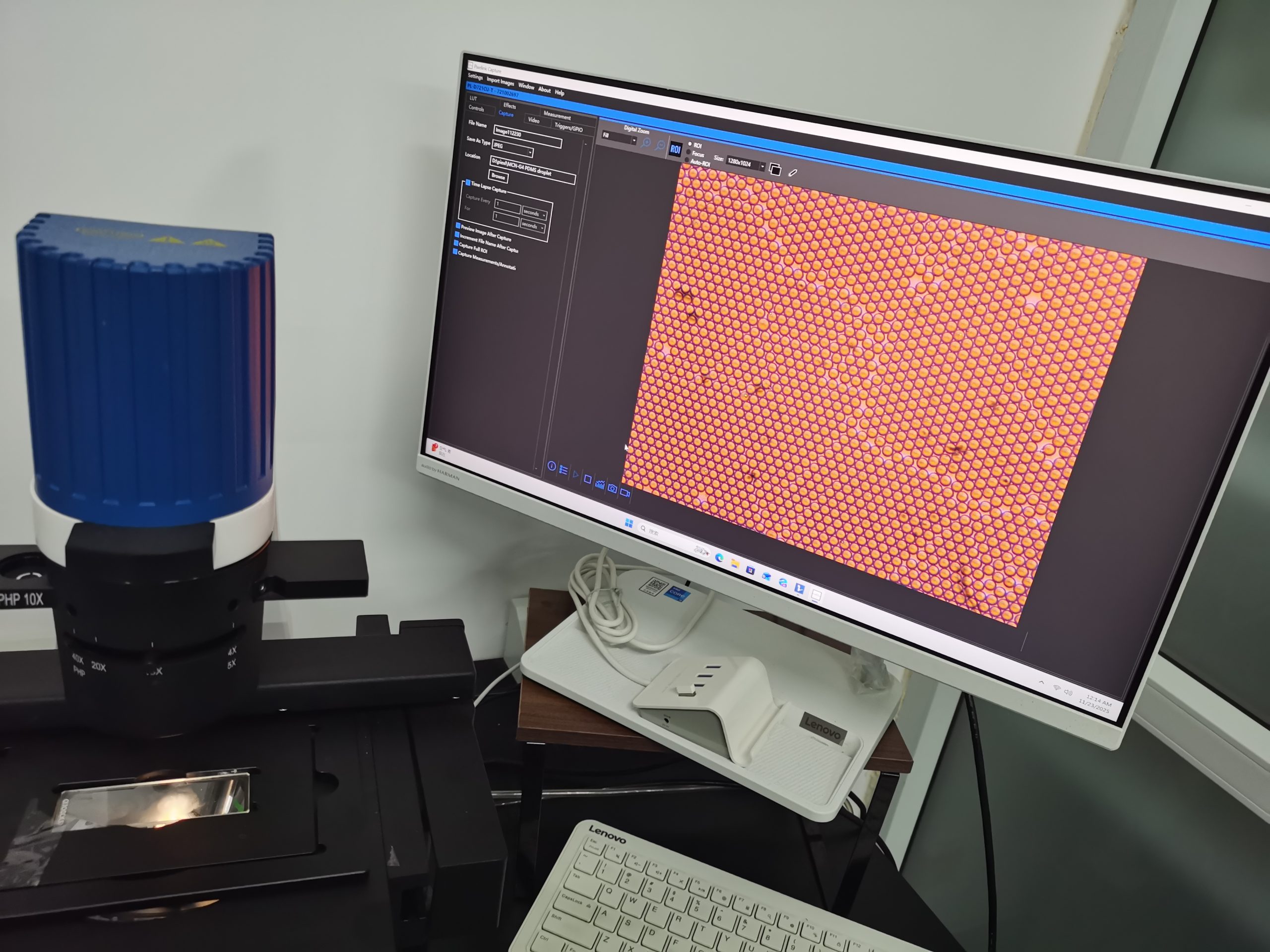
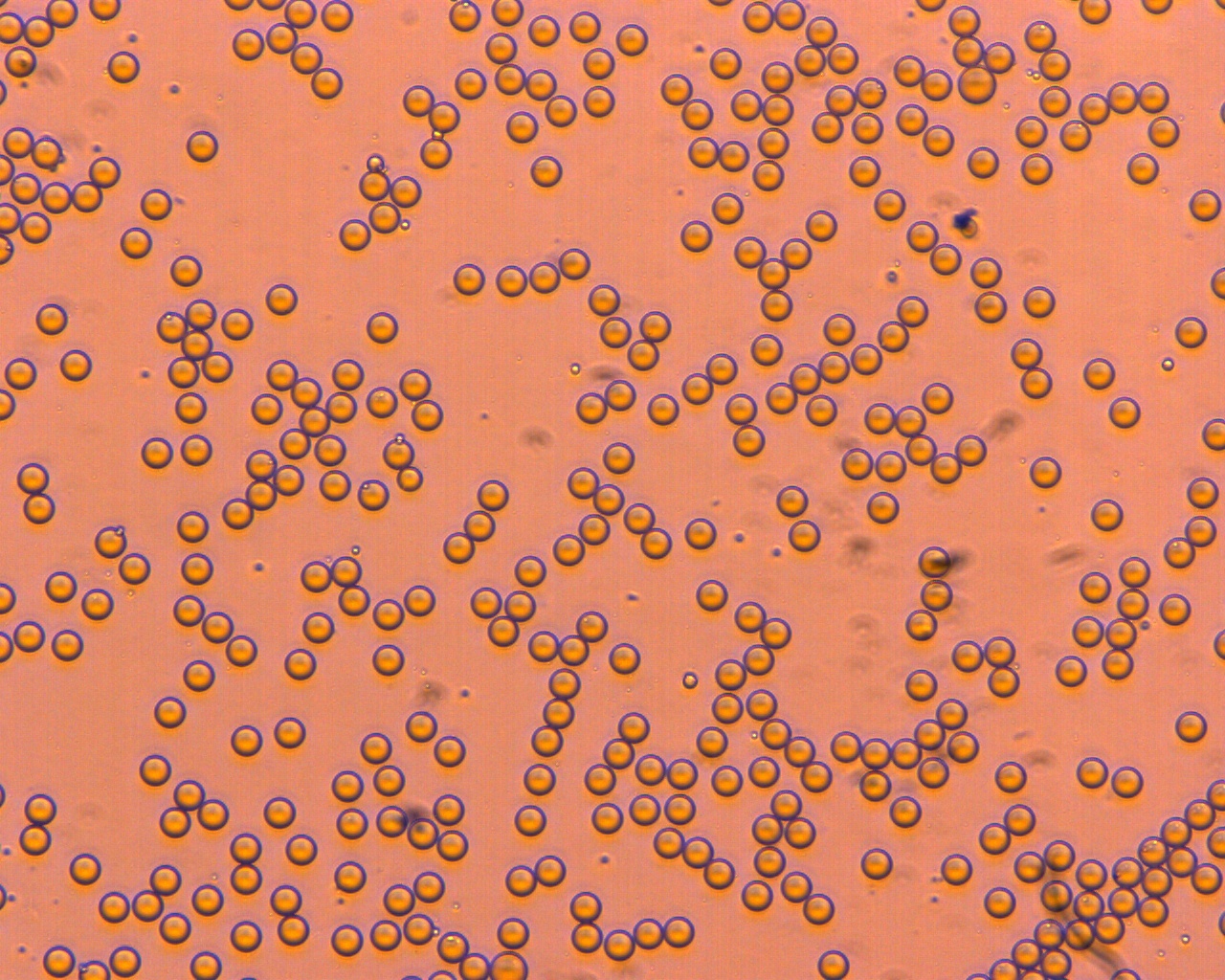
Photographs of droplet microspheres produced by the Surf-DG7500 oil, taken with a standard domestic inverted optical microscope.
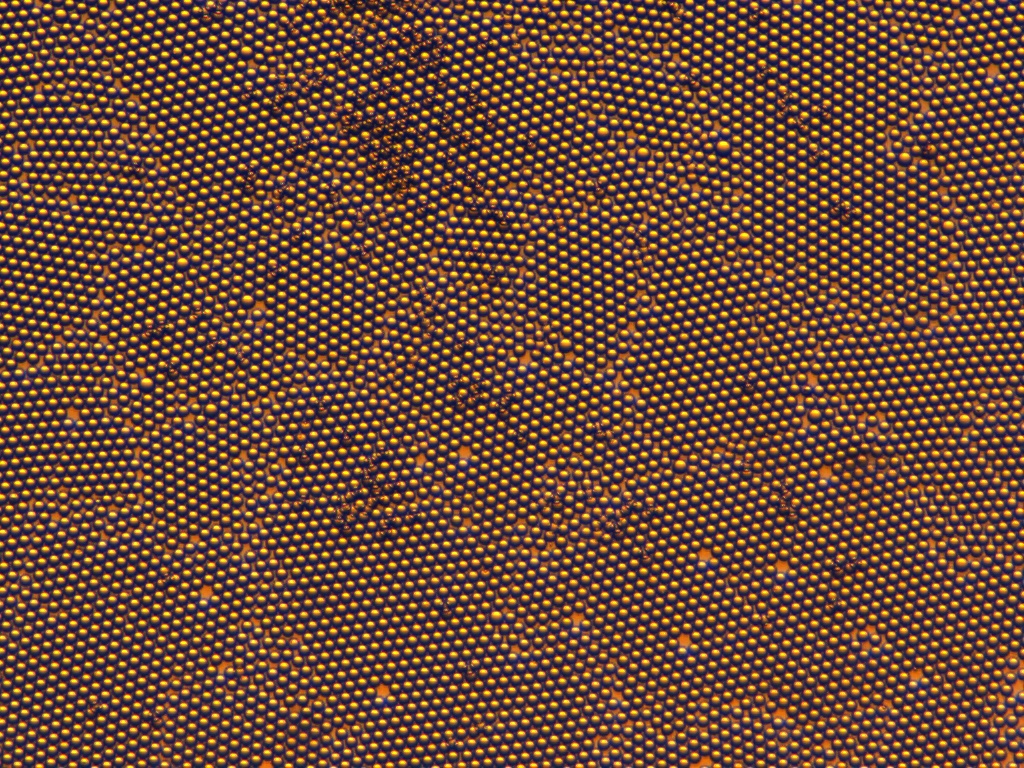
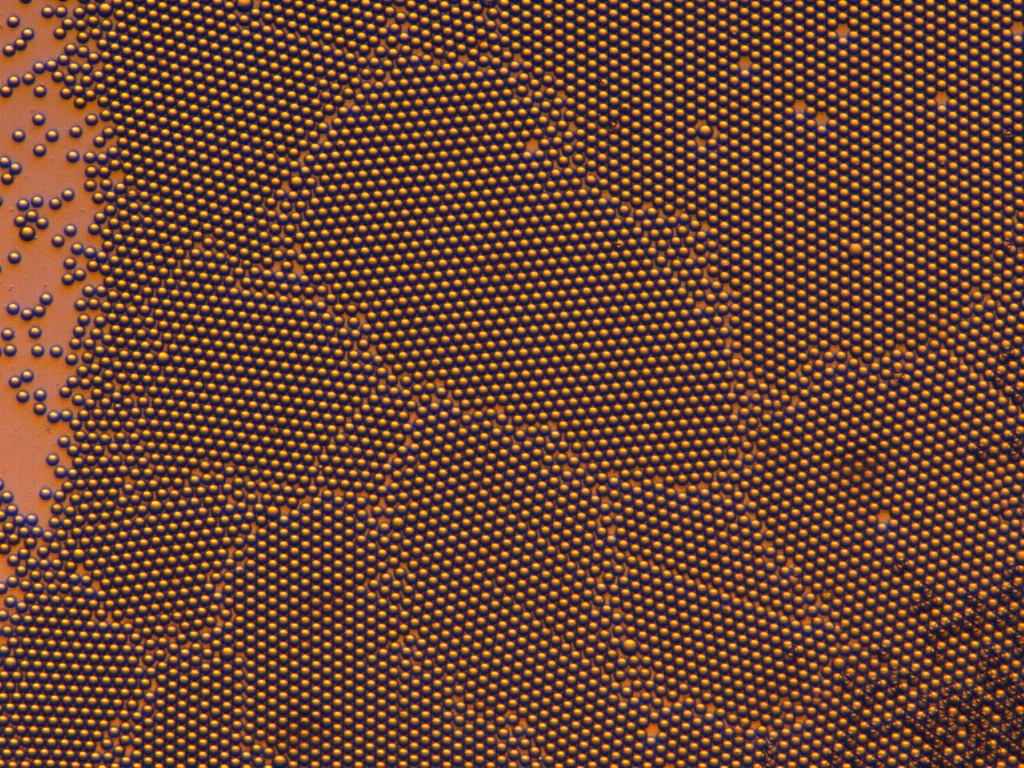
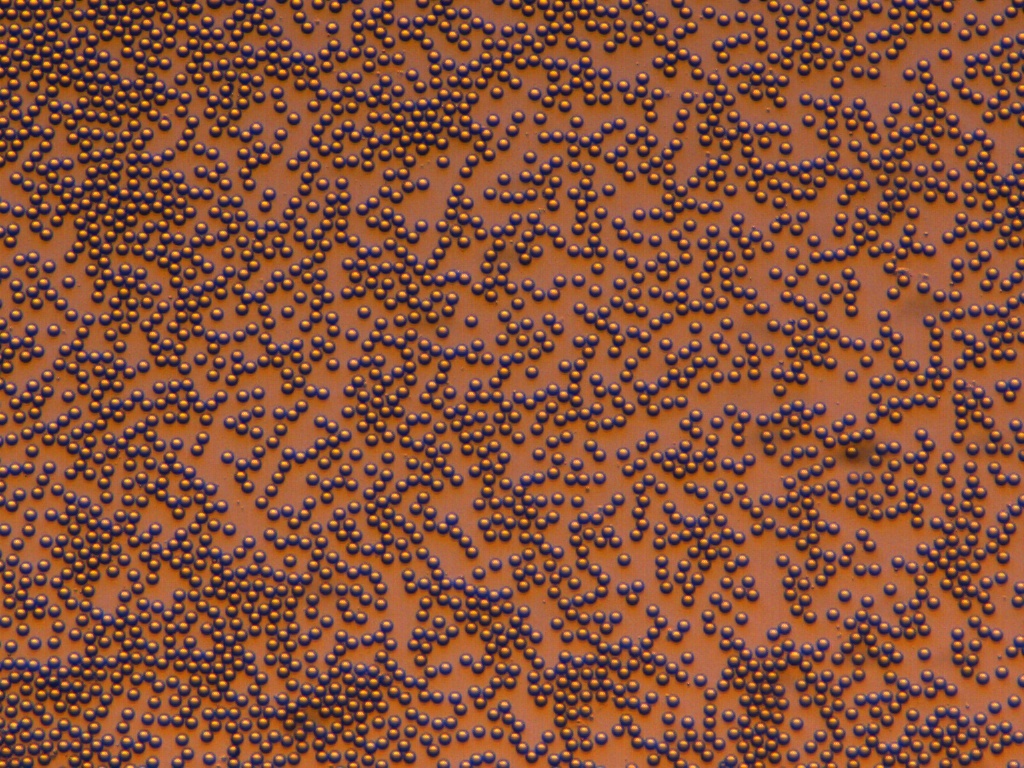
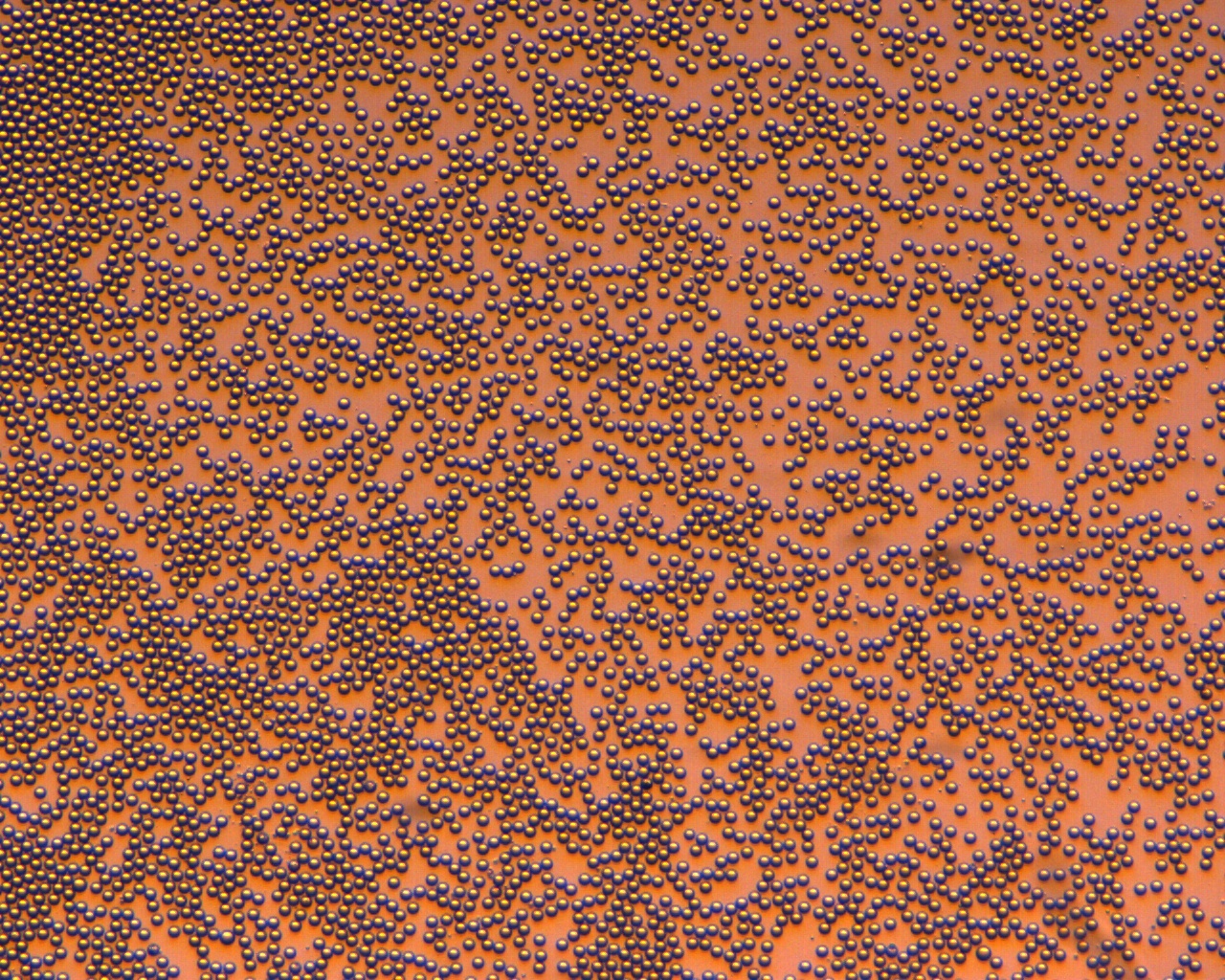
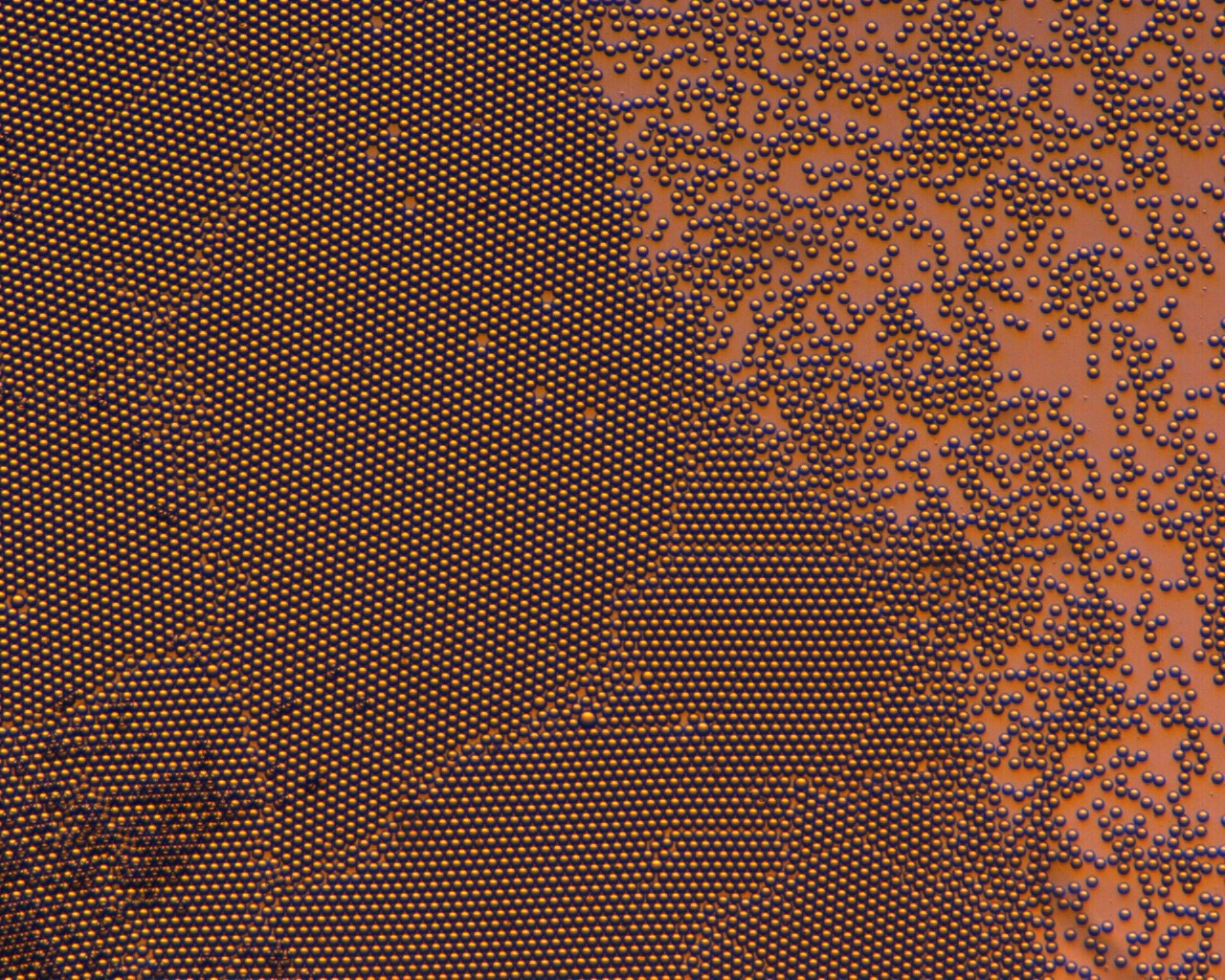
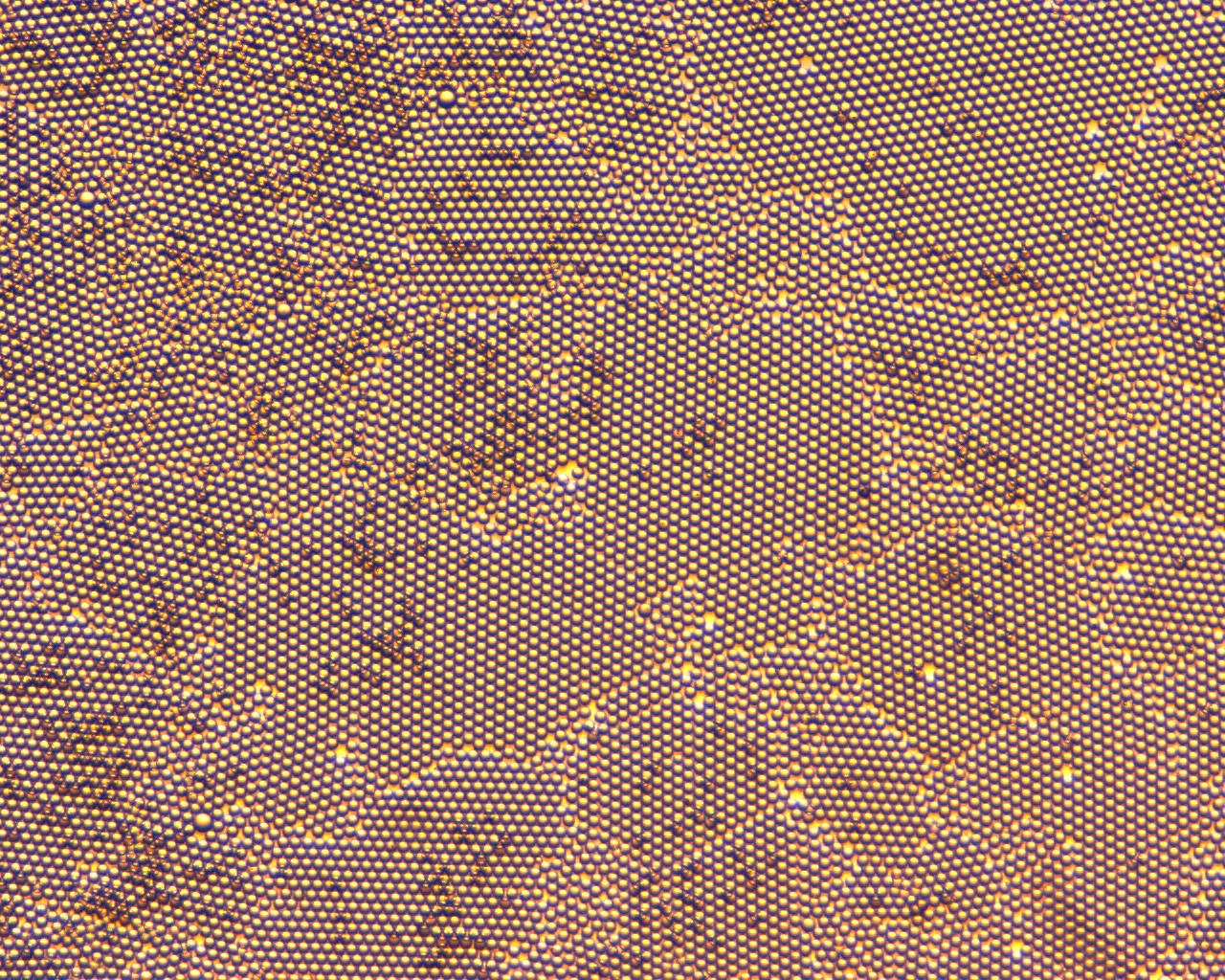
Observation at 4x objective lens
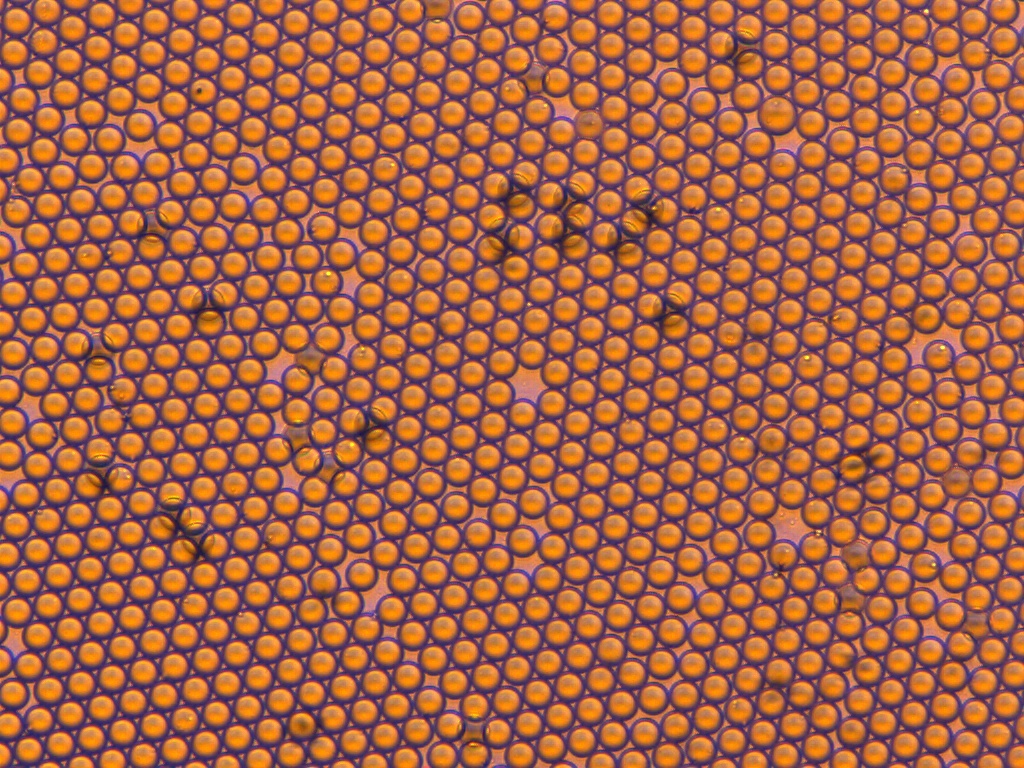
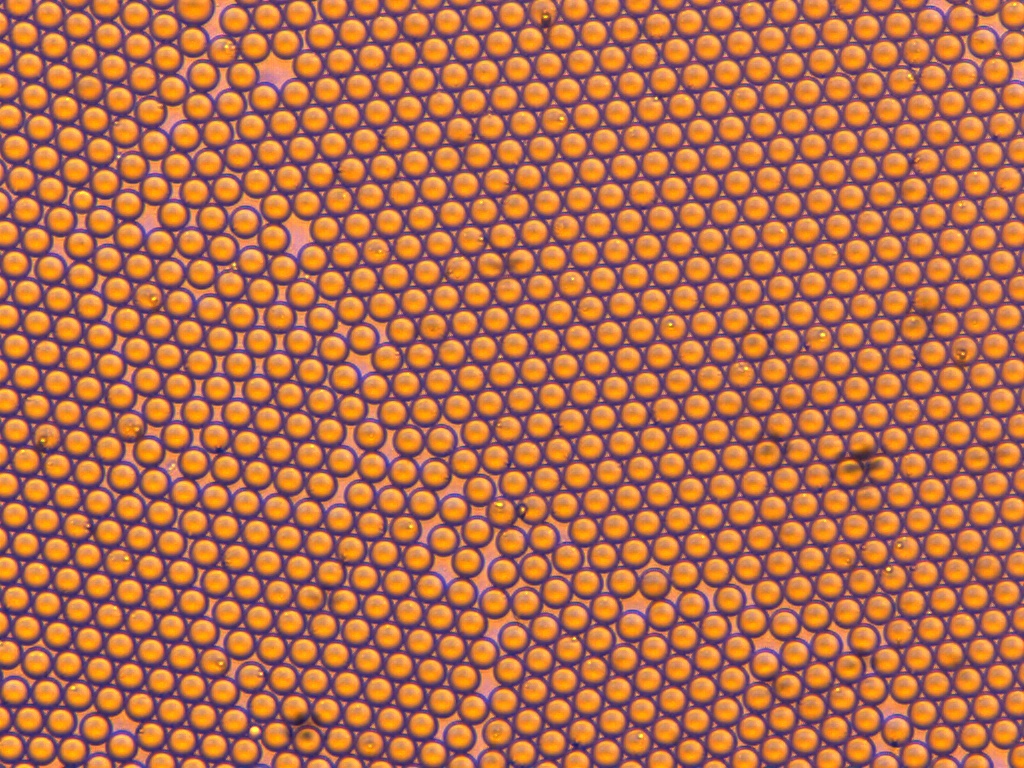
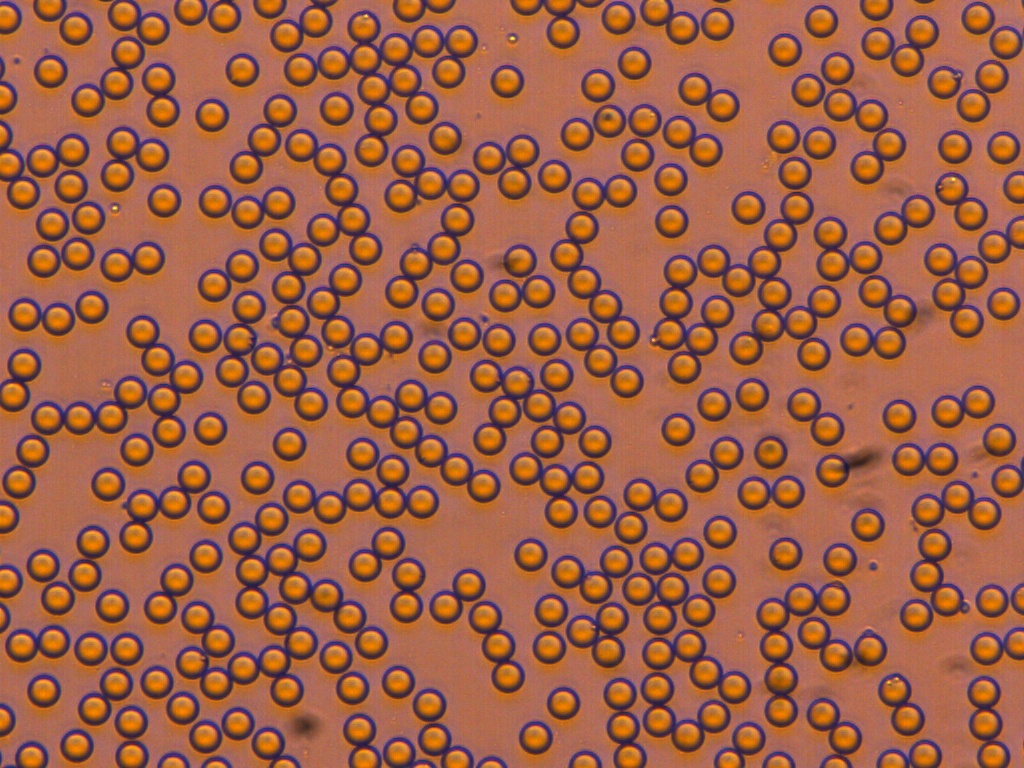
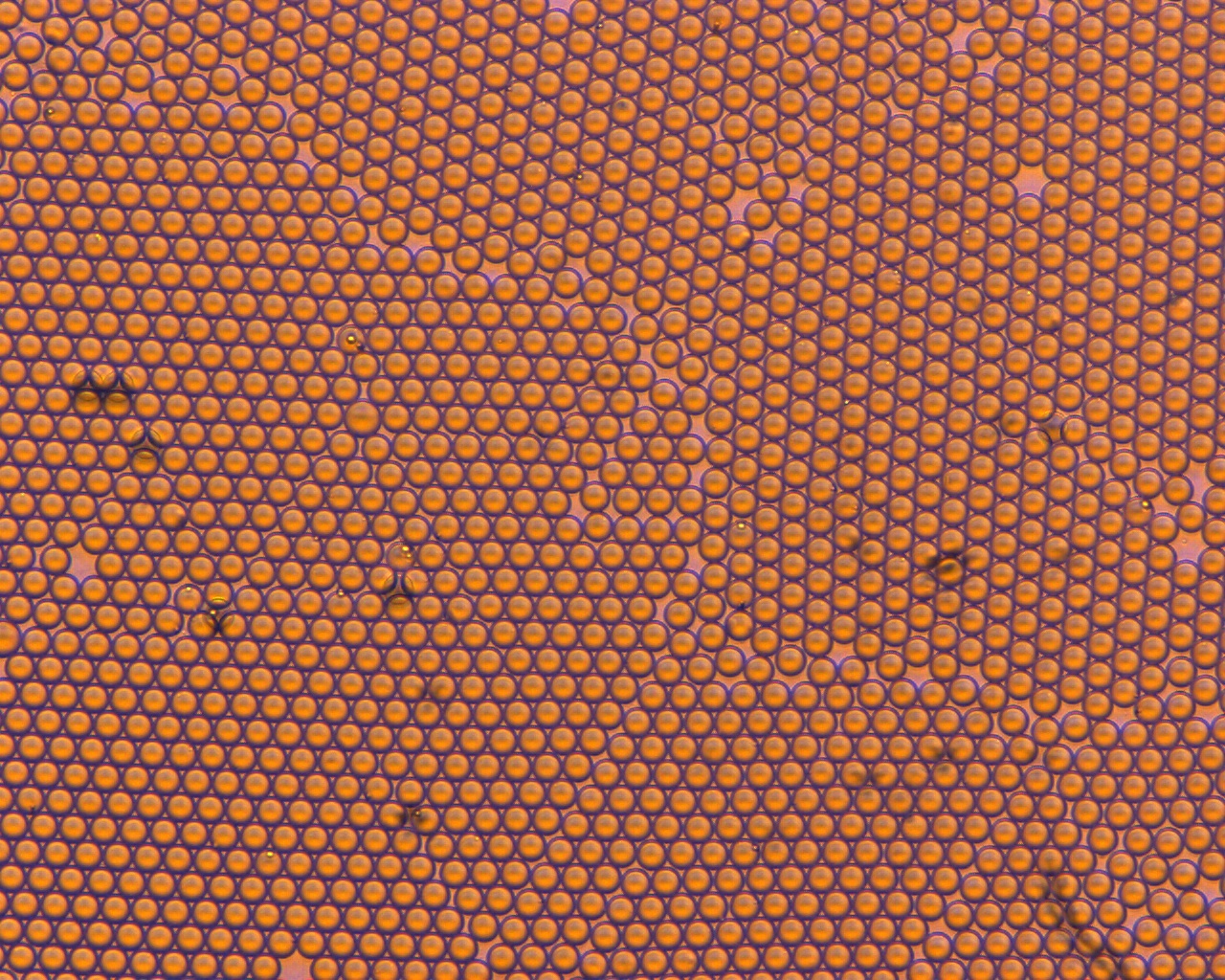
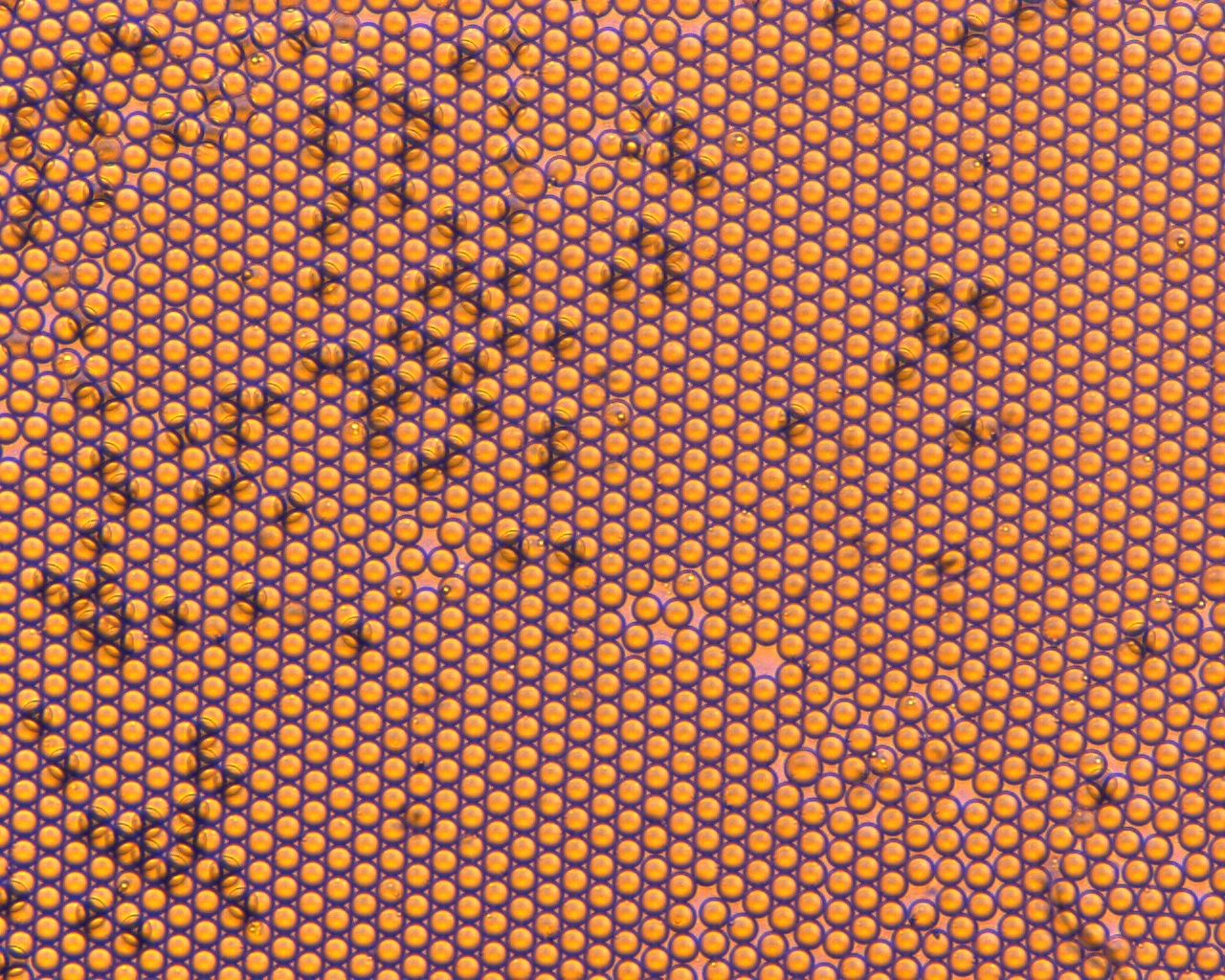
Observation at 10x objective lens
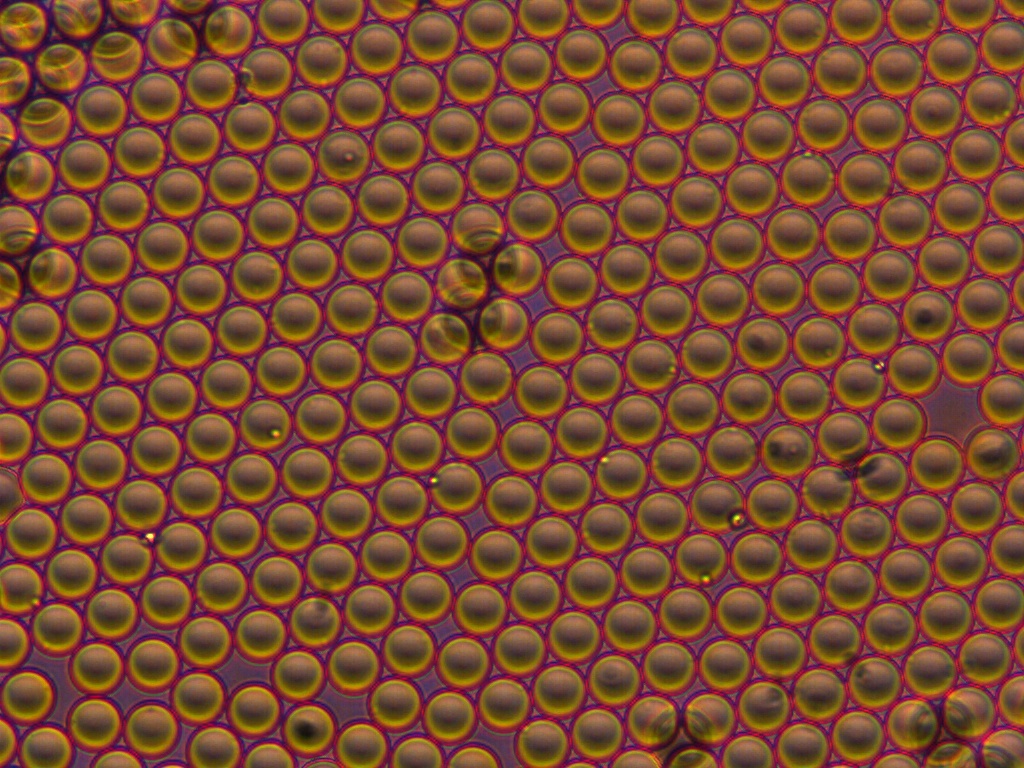
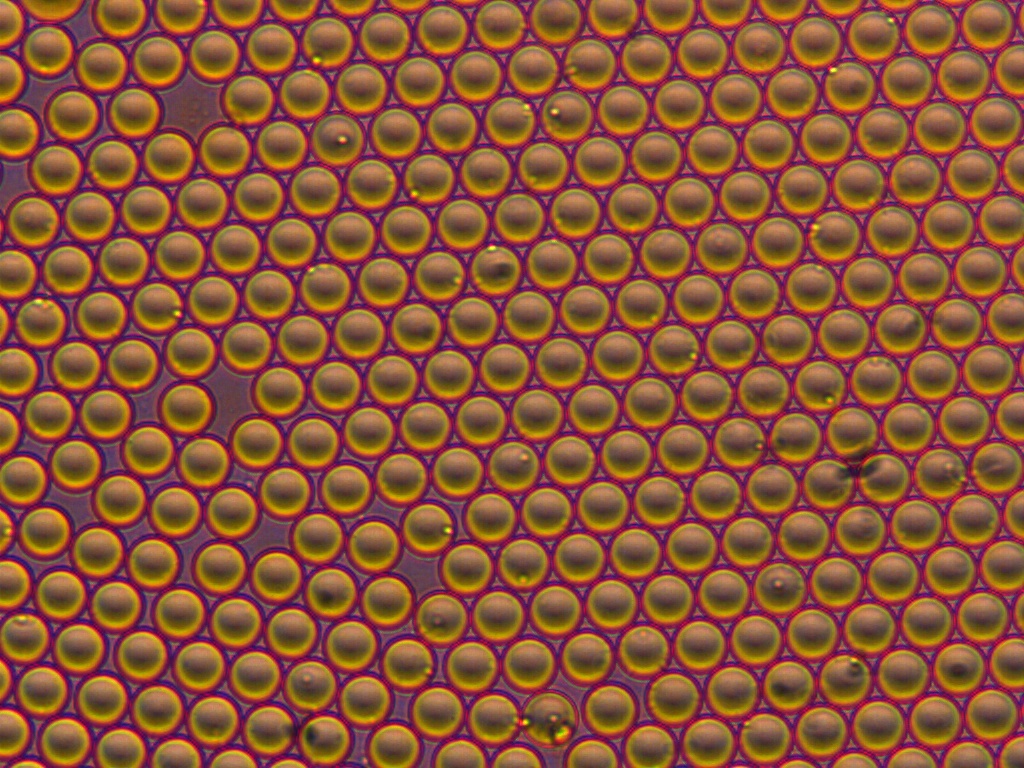
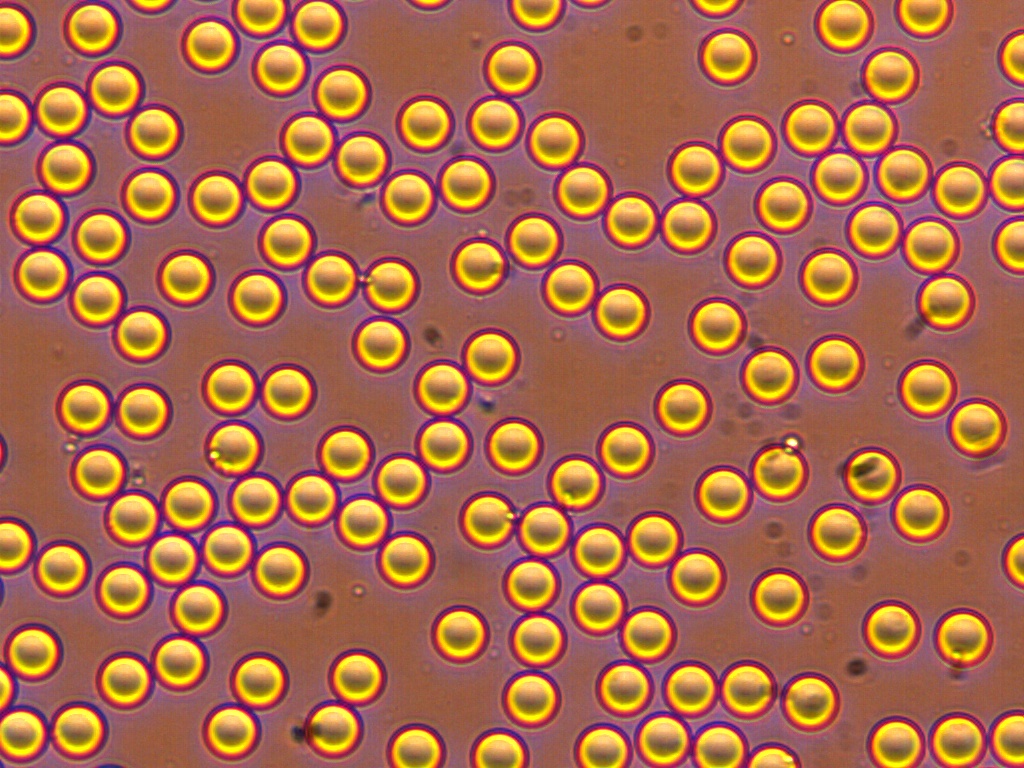
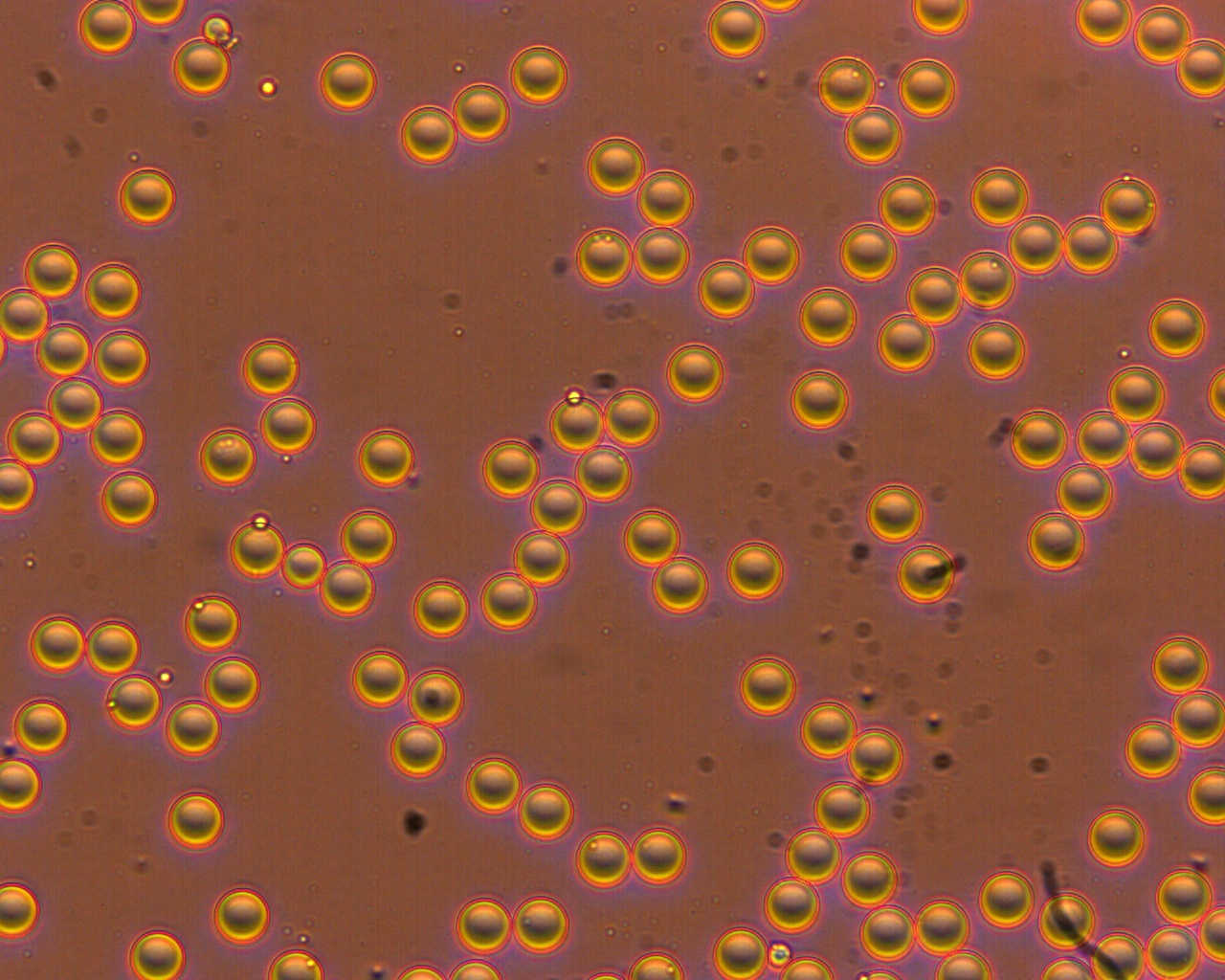
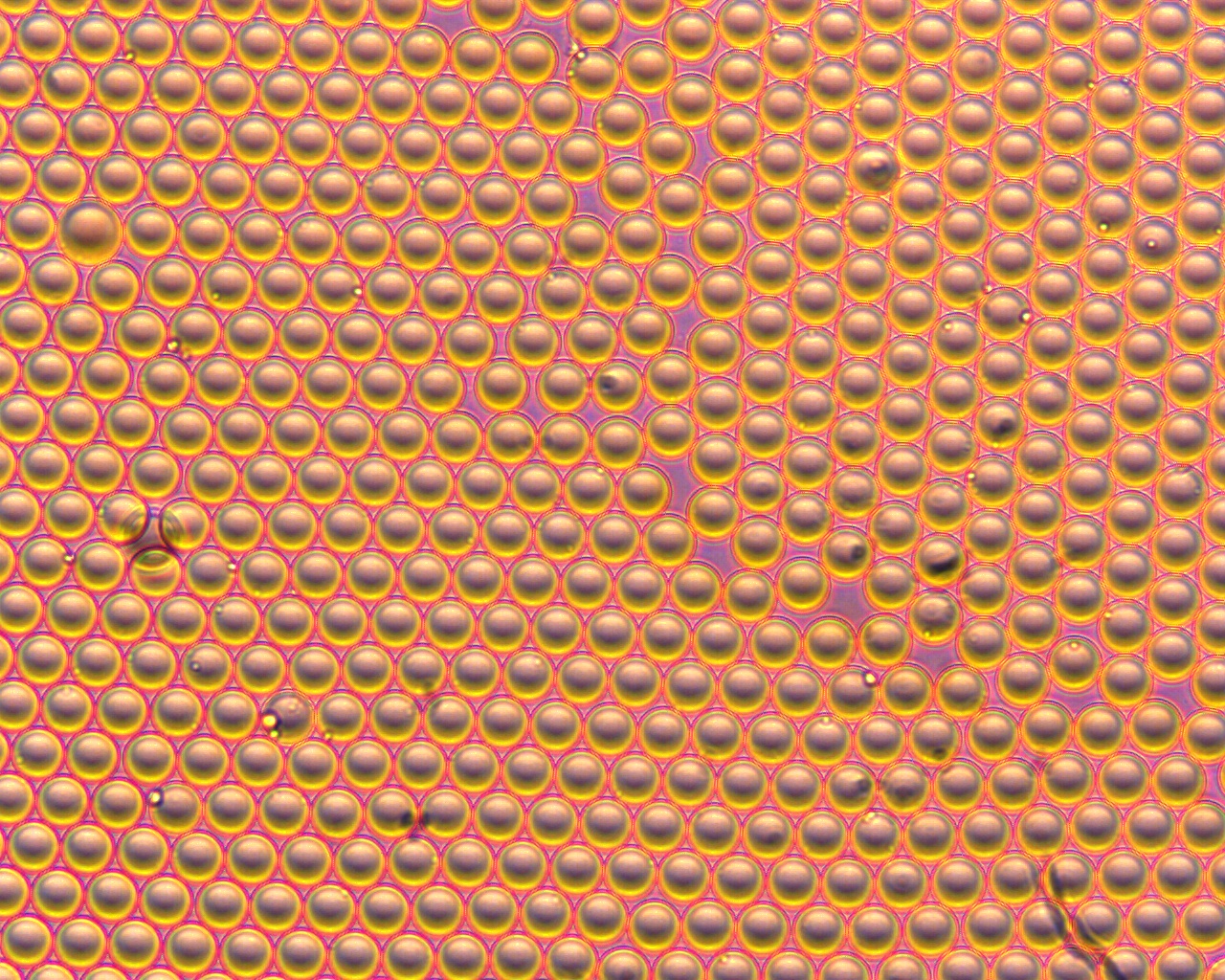
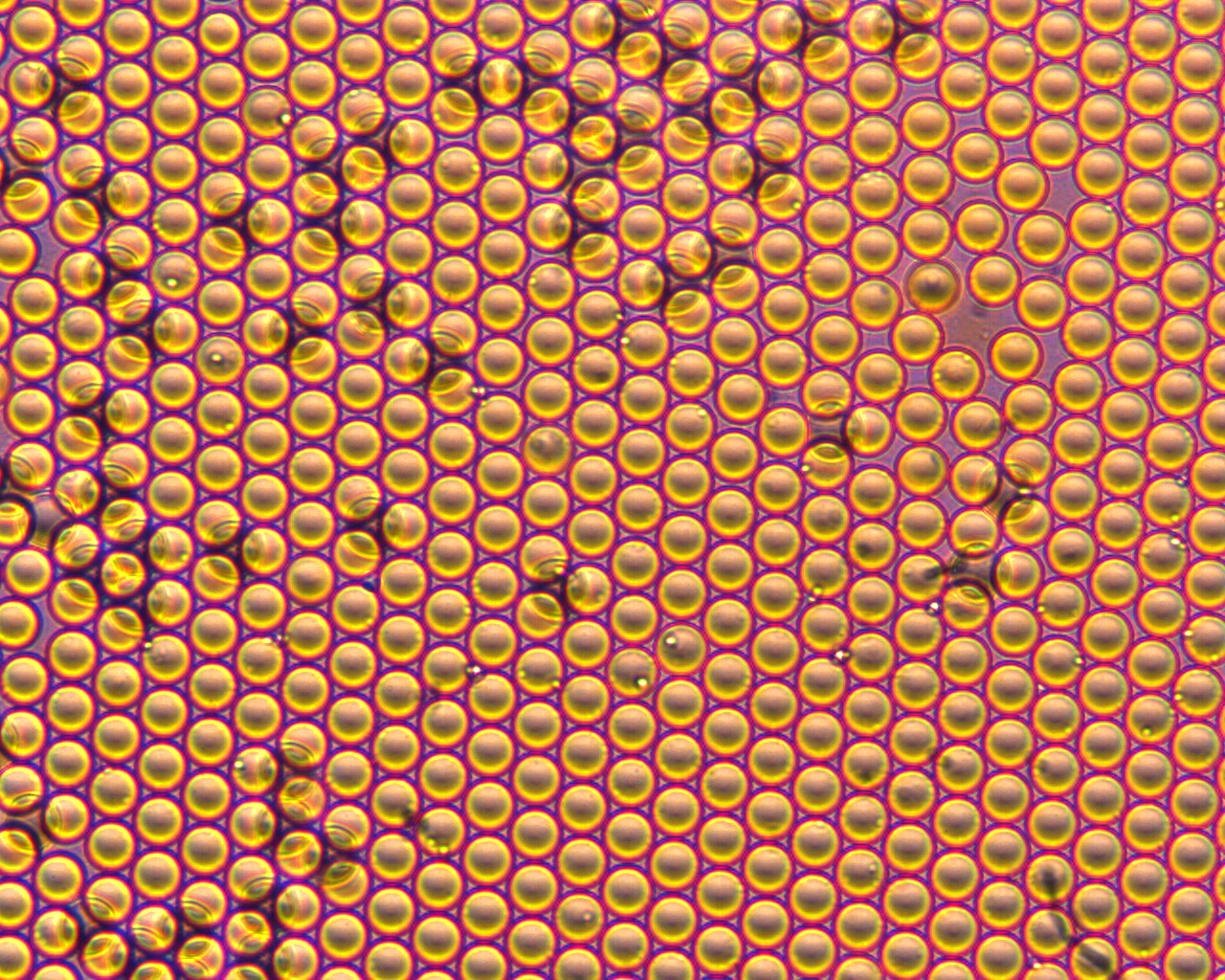
Observation at 20x objective lens
Conclusion:
1. Surf-DG7500 droplet generation oil can be used to produce stable water-in-oil type droplet microspheres.
2. The use of a rigid tubing with an outer diameter of 1.2–1.3 mm for the inlet connection of the PDMS droplet generator results in no fluid leakage.
3. High-quality optical microscopes, such as Olympus, Nikon, or Zeiss, allows you to capture clearer images of droplets microspheres.
4. Recommended to prioritize the use of a constant flow control mode (pneumatic pressure controller or pressure pump—highly stable pressure control). Alternatively, select a stable, high-precision syringe pump and optimize the fluid flow lines.
The introduction of the Fluo-ST3 hydrophobic reagent, please click here Here.