


Droplet-based microfluidic technology is an emerging and powerful tool suitable for biological applications such as dPCR or single-cell analysis. Droplet microspheres, which serve as microreactors, can be generated on microfluidic chips, offering very high throughput and enabling a large number of parallel experiments to be conducted in a short period of time.
Fluorinated oils are commonly used as the continuous phase in these applications because they can dissolve and transport oxygen and are insoluble in most chemical and biochemical substances.
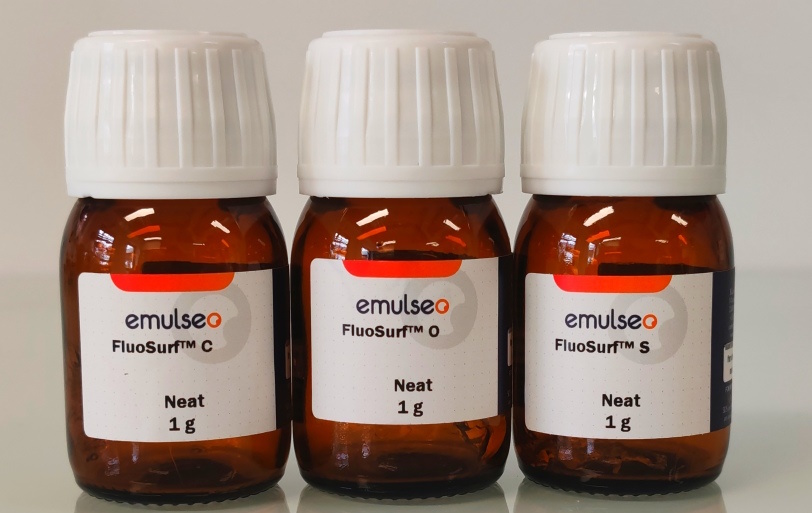
Emulseo FluoSurf is a biocompatible fluorinated surfactant designed and optimized to stabilize monodisperse water-in-oil (W/O) droplets for use in chemical, life science, and biotechnology applications. FluoSurf surfactant ensures the long-term stability of droplet microspheres (even under extreme conditions).
Advantages
● Stability
Even under challenging conditions, such as ddPCR or long-term cell culture experiments, it is possible to achieve a monodisperse droplet population and low droplet coalescence.
● Biocompatibility
Biocompatibility verified through cellular testing, suitable for biological entities.
● Mass Production
Our mass production capabilities enable us to meet all of your needs.
● Higher purity
Removing impurities during the manufacturing and processing stages
● Leakage Control: A small amount of the dispersed phase substance within the droplet permeates to the outside of the droplet
● Batch-to-batch reproducibility
Each batch undergoes rigorous quality control analysis to ensure consistency by verifying its structure and microfluidic performance.
FluoSurf neat, a fluorinated surfactant, ensures droplet stability and population monodispersity even after high-temperature treatment (such as the heating cycles in PCR).
Applications:
● Digital Droplet PCR
A highly sensitive method for nucleic acid quantification based on statistical analysis of a large number of compartmentalized PCR reactions within a droplet
● Single-Cell Analysis
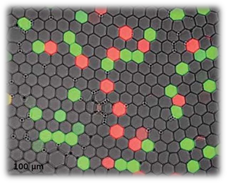
Handling and analyzing isolated cells in monodisperse droplet populations under controlled conditions
● Sorting
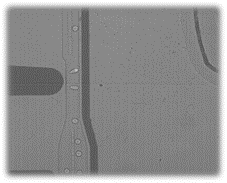
High-throughput, controlled manipulation, analysis, and sorting of cells, genes, or biomacromolecules within microdroplets.
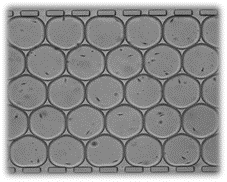
● Synthetic Biology
Droplet microdroplets is used as cell-sized compartments to simulate metabolic reactions.
● Controlling Chemical and Biological Reactions
Microfluidic tools are specifically designed to enhance control over reactions encapsulated within droplets.
Specifications
| Product Name | FluoSurf neat fluorinated surfactant |
| Fluorinated oil | Fluo-Oil 135, Fluo-Oil 200, Fluo-Oil 7500 and Fluo-Oil 40 |
| Molecular formula | PFPE-b-PPO-PEO-PPO-b-PFPE |
| Molecular weight | 7kDa |
| Electro-neutrality | Electro-neutrality |
| Surface Tension (4 wt% in HFE7500) | 10 mN/m for -C and -O, 4 mN/m for -S |
| Critical Micelle Concentration (CMC) (in HFE7500) | 0.2 w/w% for -C and -O, 0.03 w/w% for -S |
| Toxicity | Not classified as a hazardous material |
| Biocompatibility | It has been tested using plankton, yeast, E. coli, and mammalian cells. |
| Microfluidic chip compatibility | It is recommended that the chip undergo a fluorine-promoting surface treatment. |
| Storage Conditions: Shelf Life: | Store at room temperature (20–25°C) away from light. Neat: Valid for up to 3 years. Diluted: Up to 12 months at room temperature after dilution. |
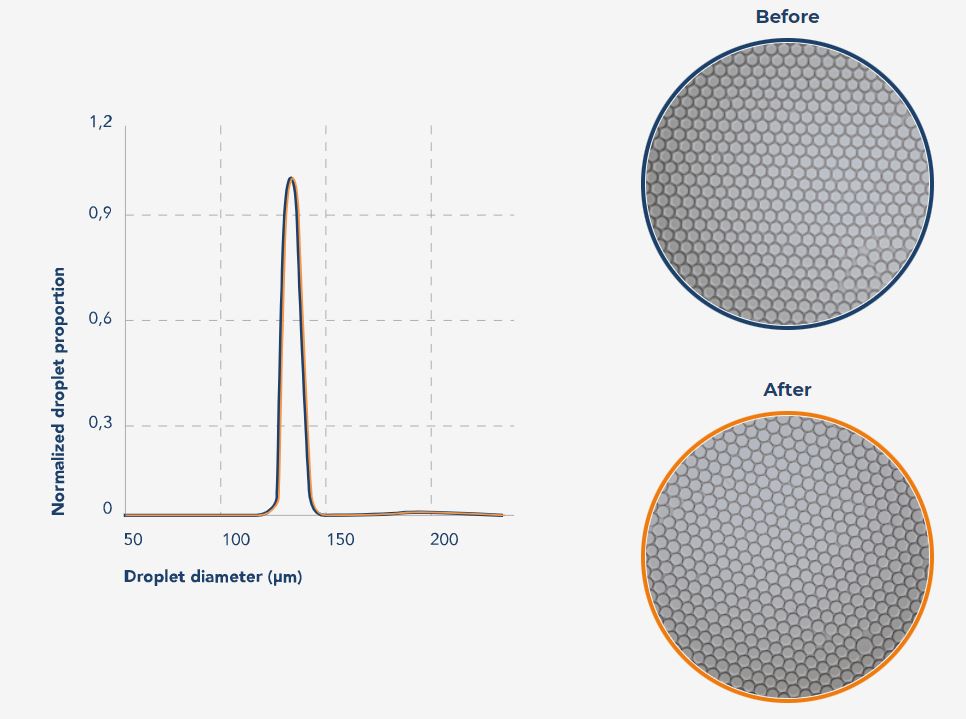
Case 1: The Effect of Droplet Formation and Thermal Cycling on Size Distribution
Experimental Conditions:
The flow rate of the fluorinated oil is 5 μL/min, and the flow rate of the aqueous phase is 1.66 μL/min.
4 w/w% HFE7500 surfactant
Thermal cycling conditions: 30 cycles
Hold at 95°C for 30 seconds
Hold at 55°C for 1 minute
Hold at 72°C for 5 minutes
Hold at 40°C for 1 minute
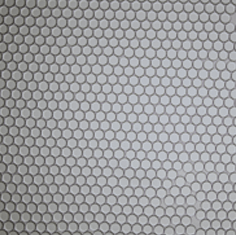
Before Thermal Cycling
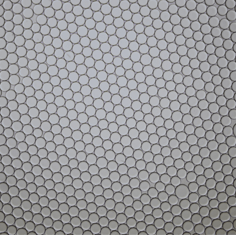
After Thermal Cycling
FluoSurf surfactants ensure good droplet stability during thermal cycling
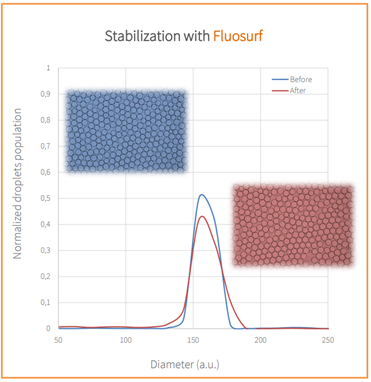
Thermal cycling has a very limited effect on the droplet size distribution when use FluoSurf surfactant.
Case 2: Retention Performance
Evolution of the average intensity of full/empty droplets containing 100 μM luciferin
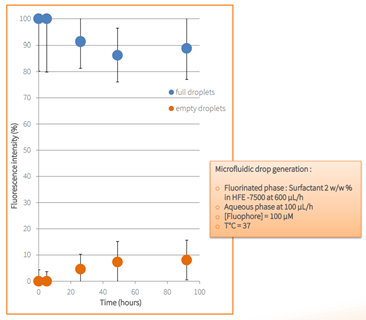
FluoSurf surfactant limits exchange between droplets (less than 10% fluorescein exchange after 4 days)
References
- M. Sesen, C. J. Rowlands. Thermally-actuated microfluidic membrane valve for point-of-care applications, Microsystems & Nanoengineering, 2021, 7:48.
- M. Girault, R. Siano, C. Labry, M. Latimier, C. Jauzein, T. Beneyton, L. Buisson, Y. Del Amo, J-C. Baret. Variable inter and intraspecies alkaline phosphatase activity within single cells of revivied dinoflagellates. ISME J, 2021.
- H. Yang, Y. Wei, B. Fan, L. Liu, T. Zhang, D. Chen, J. Wang, J. Chen. A droplet-based microfluidic flow cytometry enabling absolute quantification of single-cell proteins leveraging constriction channel. Microfluid Nanofluid, 2021, 25, 30.
- R. Ahmad, C. Kleineberg, V. Nasirimarekani, Yu-Jung Su, S. Goli Pozveh, A. Bae, K. Sundmarcher, E. Bodenschatz, I. Guido, T. Vidakovic-koch, and A. Gholami. Light-Powered Reactivation of Flagella and Contraction of Microtubule Networks: Toward Building an Artificial Cell. ACS Synth. Biol. 2021, XXXX, XXX, XXX-XXX,
- T. E. Miller, T. Beneyton, T. Schwander, C. Diehl, M. Girault, R. McLean, T. Chotel, P. Claus, N. Socorro Cortina, J.-C. Baret, T. J. Erb. Light-powered CO2 fixation in a chloroplast mimic with natural and synthetic parts. Science, 2020, 368, 649.
- C. S. Karamitros, M. Morvan, A. Vigne, J. Lim, P. Gruner, T. Beneyton, J. Vrignon, J-C. Baret. Bacterial Expression Systems for Enzymatic Activity in Droplet-Based Microfluidics. Anal. Chem. 2020, 92, 4908.
- R. Menezes, A. Dramé-Maigné, V. Taly, Y. Rondelez, G. Gines. Streamlined digital bioassays with a 3D printed sample changer. Analyst, 2020, 145, 572.
- Y. Rondelez, G. Gines. Multiplex digital microRNA detection using cross-inhibitory DNA circuits. ACS Sens. 2020, 5, 8, 2430.
- V. Bussiere, A. Vigne, A. Link, J. McGrath, A. Srivastav, J-C. Baret, T. Franke. High-Throughput Triggered Merging of Surfactant-Stabilized Droplet Pairs Using Traveling Surface Acoustic Waves. Anal. Chem. 2019, 91, 21, 13978.
- L. Le Quellec, A. Aristov , S. Gutiérrez Ramos, G. Amselem, J. Bos, Z. Baharoglu, D. Mazel, C. N. Baroud, PloS one, 2024, 19, e0303630. Measuring single-cell susceptibility to antibiotics within monoclonal bacterial populations
- J. Lee, Y. Kim, J. Lim, H-I Jung, G. Castellani, F. Piccinini, B. Kwak, BioChip J., 2024, 18, 160. Optimization of Tumor Spheroid Preparation and Morphological Analysis for Drug Evaluation
- P. Panuška, J. Smejkal, M. Štofik, Z. Žmudová, K. Španbauerová, J. Havlica, V. Harrandt, S. Vinopal, P. Aubrecht & J. Malý, BioChip Journal, 2024, 18, 393. Advanced Microfluidic Platform for Tumor Spheroid Formation and Cultivation Fabricated from OSTE+ Polymer
- S. Lee, C. Jae Woo, H. Il Jung, K. Chang Nam, J. Seok Lim, B. Seop Kwak, ACS Biomater. Sci. Eng., 2024, 10, 2477. Formation Pattern Analysis of Spheroids Formed by a Droplet-Based Microfluidic System for Predicting the Aggressiveness of Tumor Cells
- H. Huang, H. Wu, Y. Zhang, X. Feng, 2025. Polyhedral Polymeric Microparticles with Interwoven 1 nm Gyroid Pores for Precise Adsorption and Nanoconfined Degradation
- M. Graf, A. Sarkar, C-M. Svensson, A-S. Munser, S. Schröder, S. Hengoju, M. A. Rosenbaum, M. T. Figge, Sensors & Actuators: B. Chemical, 2025, 424, 136866. Rapid detection of microbial antibiotic susceptibility via deep learning supported analysis of angle-resolved scattered-light images of picoliter droplet cultivations
- A. Samimi, S. Hengoju, K. Martin, M. A. Rosenbaum, Analyst, 2025. Advancing droplet-based microbiological assays: optofluidic detection meets multiplexed droplet generation
- H. Luo, W. Huang, Z. He, Y. Fang, Y. Tian, Z. Xiong, Adv. Mater. 2025, 2415358. Engineered Living Memory Microspheroid-Based Archival File System for Random Accessible In Vivo DNA Storage
- Y. Wang, Y. Sun, M. Liu, C. Wang, M. Huang, J. Qiu, N. Yang, Y. Zhang, H. Liu & L. Han, Journal of Nanobiotechnology, 2025, 23,411. In situ and dynamic screening of extracellular vesicles as predictive biomarkers in immunecheckpoint inhibitor therapies
- J. H. Cater, N. S. El Salamouni, G. H. Mansour, S. Hutchinson, C. Mc Guinness, S. H. Mueller, R. R. Spinks, N. Shanmugam, A. Pichard-Kostuch, V. Zahoransky, H. Ghodke, M. Ribezzi-Crivellari, H. Yu, A. M. van Oijen, A. D. Griffiths, L M. Spenkelink, Commun Biol, 2025, 8, 937. Optimised nanobody-based quenchbodies for enhanced protein detection
- Agnihotri, S.N., Fatsis-Kavalopoulos, N., Vikdahl, E. et al. Droplet microfluidics with image texture quantification for detection of rare antibiotic-resistant subpopulations from bloodstream infections. npj Digit. Med. 9, 410 (2026). https://doi.org/10.1038/s41746-026-02808-x
- Jiayu Sun, Jinqiu Sun, Yue Chang, Lucas J. Gibson-Elias, Yonghui Chen, Jinrong Liu, Jose L. Moreno Jr, Zhixing Shen, Jishan Li, Richard J. Hooley, Wenwan Zhong. Self-Assembly and Molecular Recognition by Synthetic Receptors at the Oil-Water Interface in Aqueous Microdroplets. Angewandte Chemie, September 2026. https://doi.org/10.1002/ange.6788295
- Ze Wu, Fei Jin, Wenhui Zhu, Wenjie Zhong, Tao Qi, Shihua Luo, Quan Liu, Zhen Cai, Chen Dai, Zhixin Chai, Yongjian He, Yongyu Rui, Yun Miao, Lei Zheng, Qiangqiang Fu; Photoactivated Digital Recombinase Polymerase Amplification/CRISPR-Cas12a Assay for Point-of-Care of BK Polyomavirus Quantification. ACS Nano 5 May 2026; 20 (17): 13301–13313. https://doi.org/10.1021/acsnano.6c02651
- P. Piñeiro, J. Langer, J. Seras-Franzoso, et al. “ SERSµDrop: A Platform to Study Cell–Cell Communication via SERS Imaging.” Small 22, no. 1 (2026): e08020. https://doi.org/10.1002/smll.202508020
FluoSurf Neat Fluorinated Surfactant: For Stable Droplet Microspheres
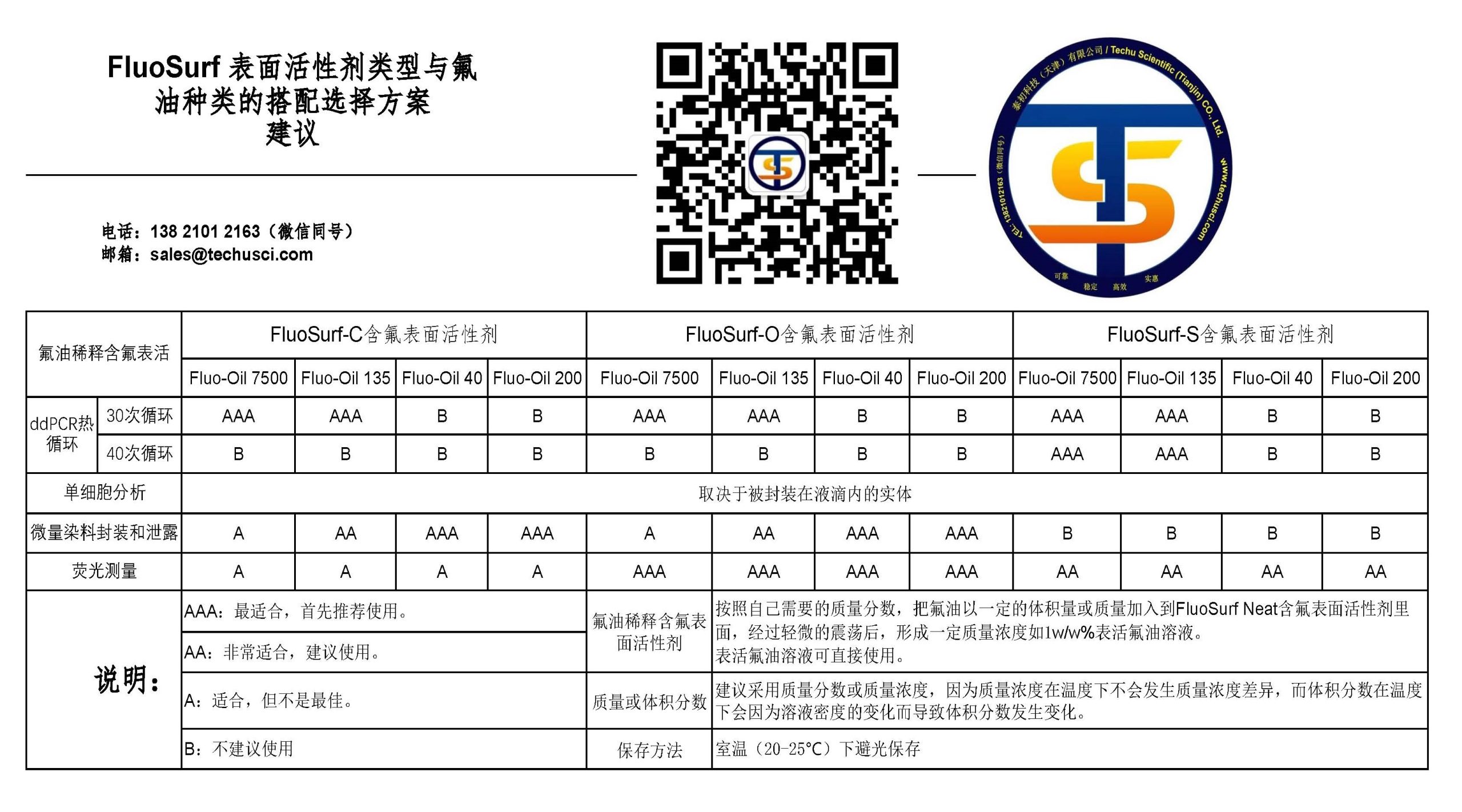
● FluoSurf-C Neat: suitable for various experiments involving droplet microspheres, such as ddPCR, single-cell analysis, single-cell sorting/picoinjection, cell encapsulated into droplet , directed evolution of proteases, water-in-oil droplet microspheres, and giant vesicles (GUVs).
● FluoSurf-O Neat: low autofluorescence and suitable for detecting fluorescent dyes at low concentrations.
● FluoSurf-S Neat: a low molecular weight, it is specifically optimized for high droplet generation rates and suitable for thermal cycling processes involving droplet microspheres.
Test Examples
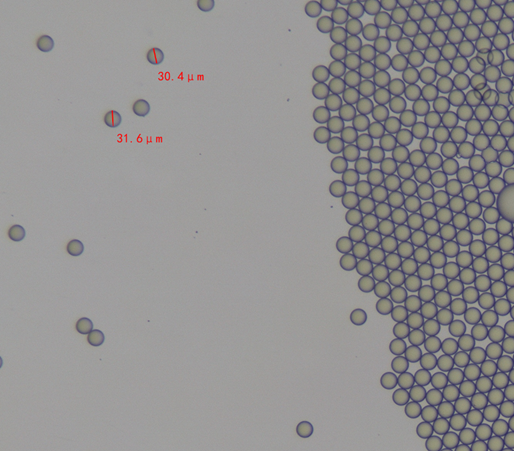
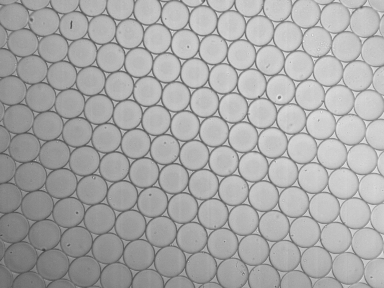
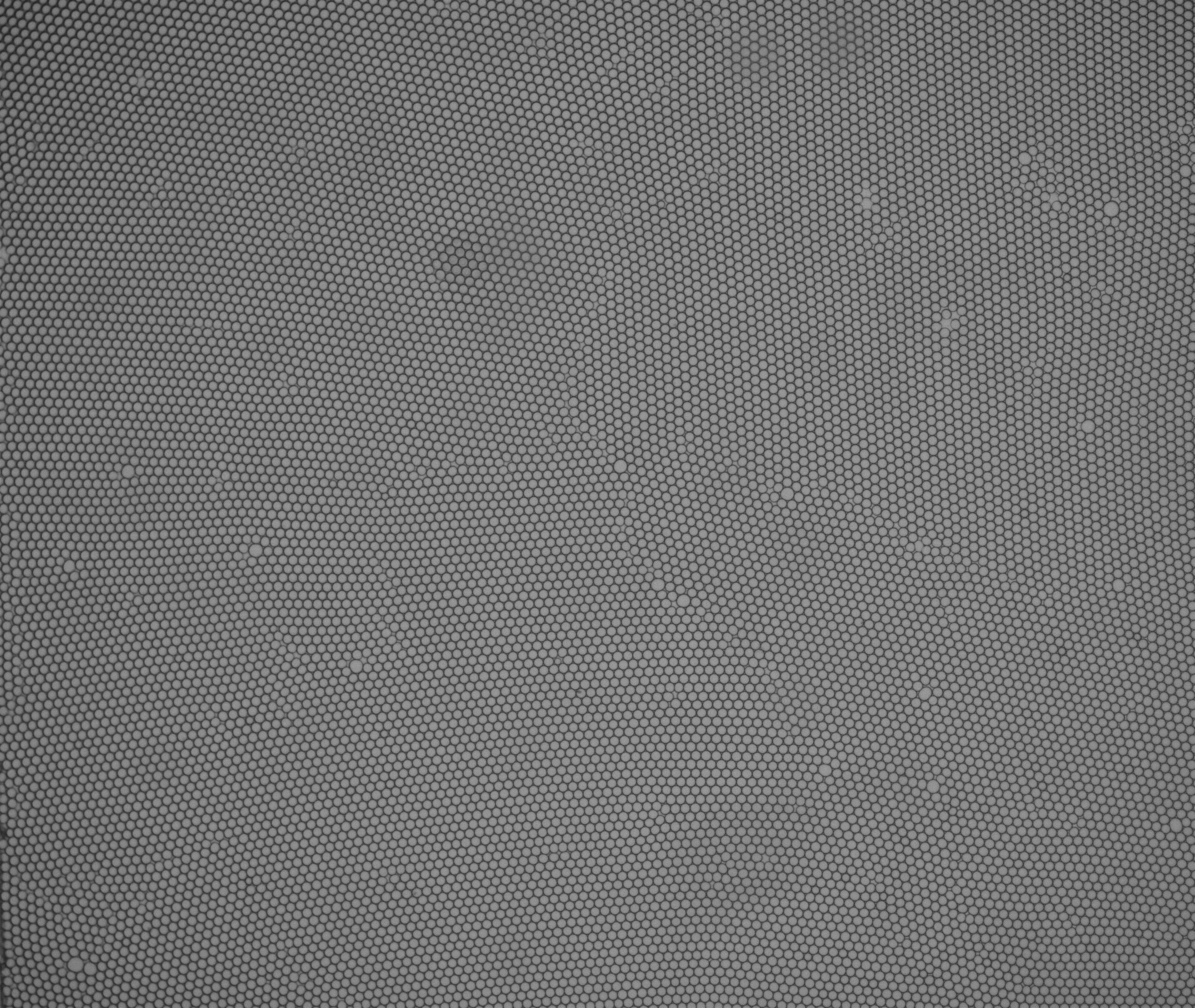
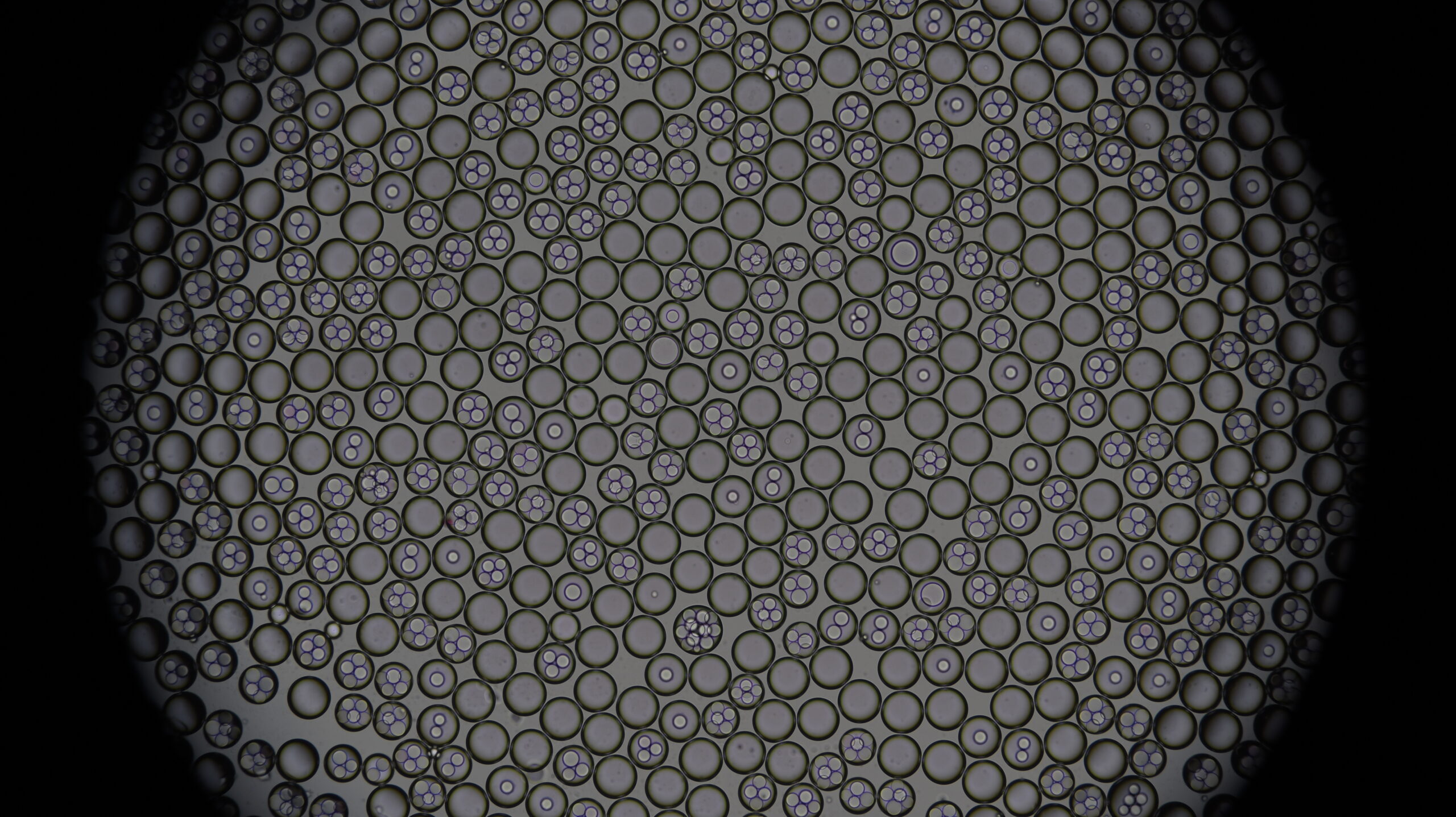
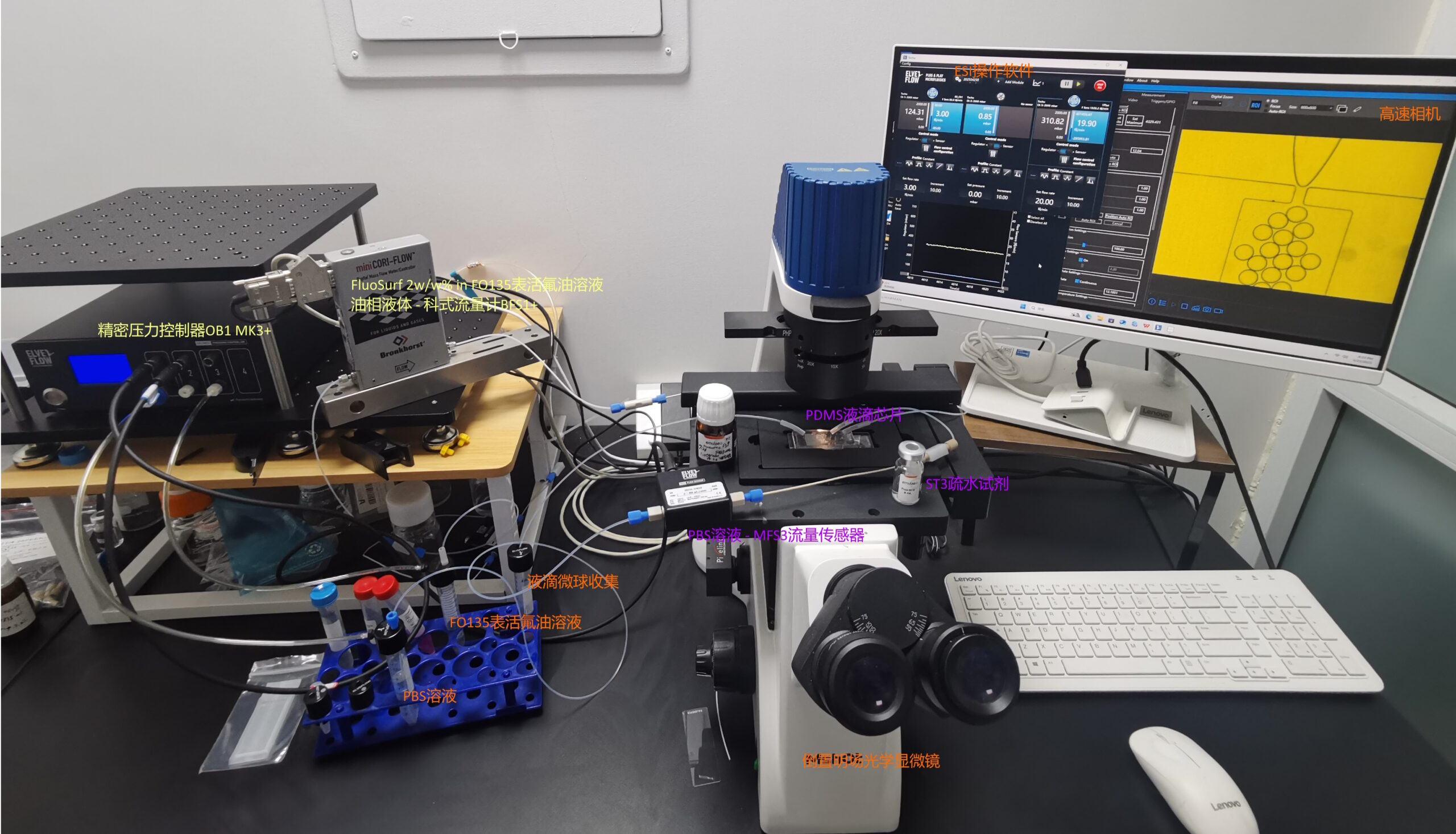
Photo of a test setup in the Techu ScientificTaichu Technology office
FluoSurf 2 w/w% in Fluo-Oil 135 generates W/O-type droplet microspheres in a flow-focused PDMS droplet chip (manufactured domestically); Fluo-ST3 hydrophobic reagent is used to treat the channel surfaces of the PDMS droplet chip to impart hydrophobicity.
The OB1 MK3+ multi-channel pressure-flow controller is used to drive the flow of the reagent solution in the 15 mL sample reservoir; the BFS1+ coriolis flowmeter is used for constant flow control of the oil phase/external phase solution; the MFS3 digital flow sensor is used for constant flow control of the internal phase/aqueous phase solution. The PDMS droplet chip is customized with a constriction width and depth of 50 μm; it connects by direct insertion into the tubing, requiring no chip holder.
FluoSurf 1 w/w% in Fluo-Oil 135 produces W/O-type droplet microspheres in the ChipShop PMMA/COC droplet chip; Fluo-ST3 hydrophobic reagent is used to treat the hydrophobicity of the droplet chip channel surfaces.
FluoSurf 1 w/w% in Fluo-Oil 135 fluorinated oil generates W/O-type droplet microspheres in a flow-focused glass droplet chip (manufactured domestically), and Fluo-ST3 hydrophobic reagent is used to treat the hydrophobicity of the glass droplet chip channel surfaces. A PTFE tubing with an outer diameter of 1/16 inch is inserted into the chip holder designed for the glass droplet chip; the connection is made via a side-by-side configuration, eliminating dead volume.
The PDMS droplet sorting chip, 3M Novec HFE7500 fluorinated oil is used to separate droplet microspheres into an equidistant array, followed by dielectric actuation sorting to obtain the desired cell droplet microspheres. The maximum sorting rate for dielectric sorting can reach 500–2,000 per second (depending on the design of the dielectric electrodes, electrode fabrication, and choice of electrode materials).
Order Catalog
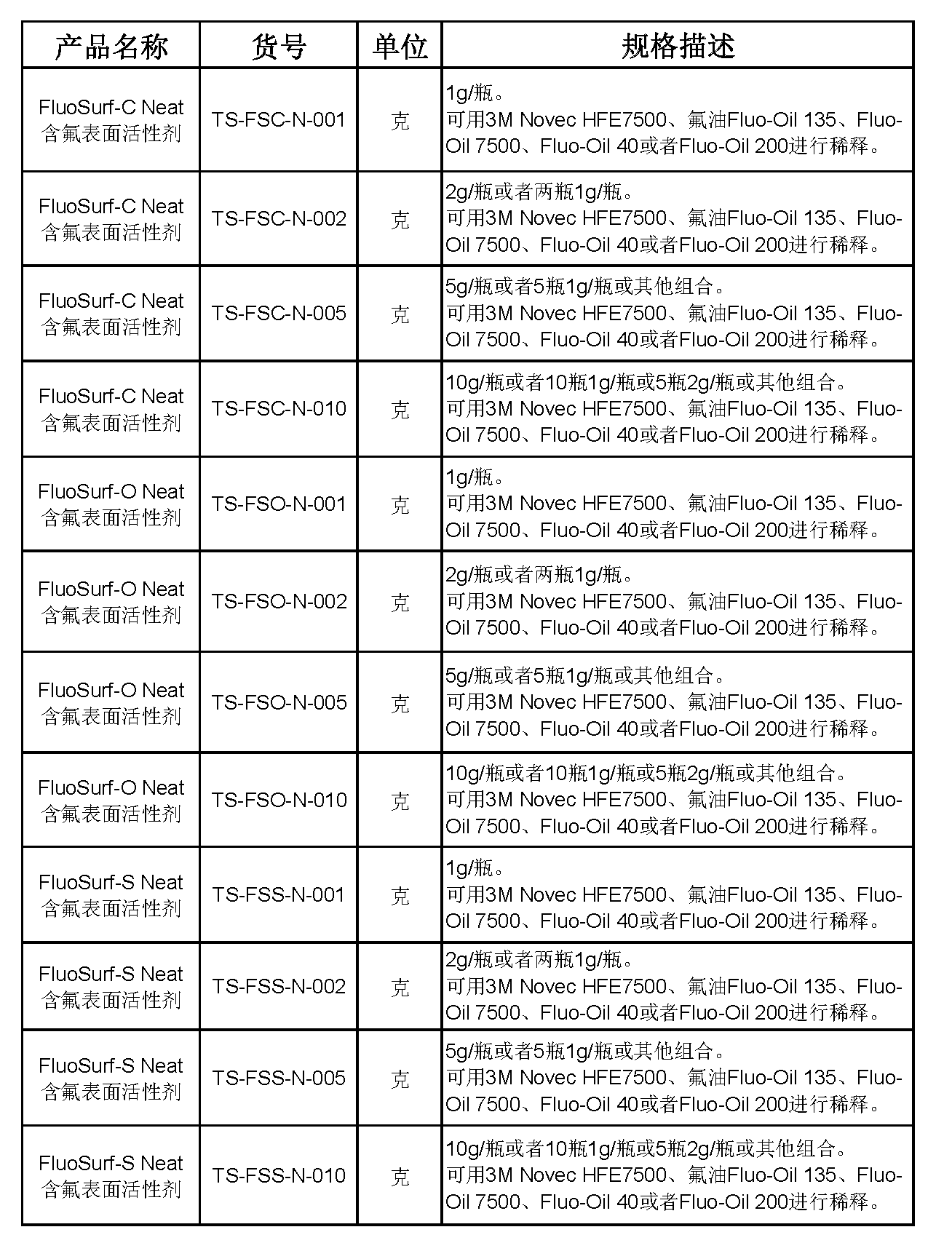
Please let us know the product name, quantity, shipping address, and contact information via email, WeChat, or phone. We will ship your order via SF Express within 3–5 days (for in-stock items) or within 2–4 weeks.
We look forward to hearing from you, communicating with you, and receiving your support.
Related Products
| Biocompatible fluorinated oil series, such as FO135, FO200, FO7500, TSH7500, TSC40, and TSH7100 | 1. For diluting the FluoSurf neat series of fluorinated surfactants 2. For diluting FluoSurf 2 w/w% or 5 w/w% surfactant-containing fluorinated oil 3. For use on its own for lubrication, cooling, etc. | Please click |
| Fluo-ST3疏水试剂 | Hydrophobic or channel-based hydrophobic surfaces for PDMS, PMMA/COC/PC, glass, and other surfaces | Please click |
| Fluo-Break Demulsifier | Break down the droplet microspheres to obtain the dispersed phase substance for subsequent analysis and characterization. | Please click |
| FluoSurf 2 w/w% or 5 w/w% fluorinated surfactant fluorinated oil | 1. Please select the fluorinated oil that best suits your needs 2. Liquid state 3. Default concentration of 2 wt% or 5 wt% 4. Depending on your experimental requirements, consider further diluting the fluorinated oil to a lower concentration, such as 1 wt%, before use. 5. If necessary, filter the fluid through a 0.22 μm or 0.45 μm filter before use. | Please click |
| Surf-DG7500 Droplet Generation Oil Series (Cell Biology) | 1. Liquid state 2. Ready to use 3. Depending on experimental requirements, choose either 7500 or 40 oil as the base oil phase | Please click |